Block + Grubhub Partner: Cash App Pay Enters Delivery, Square Integrates Grubhub Orders into POS
Block and Grubhub announced a two-way deal that pushes Grubhub orders into Square POS and adds Cash App Pay to Grubhub checkout. It is the clearest expression yet of Block's both-sides-of-the-counter strategy.
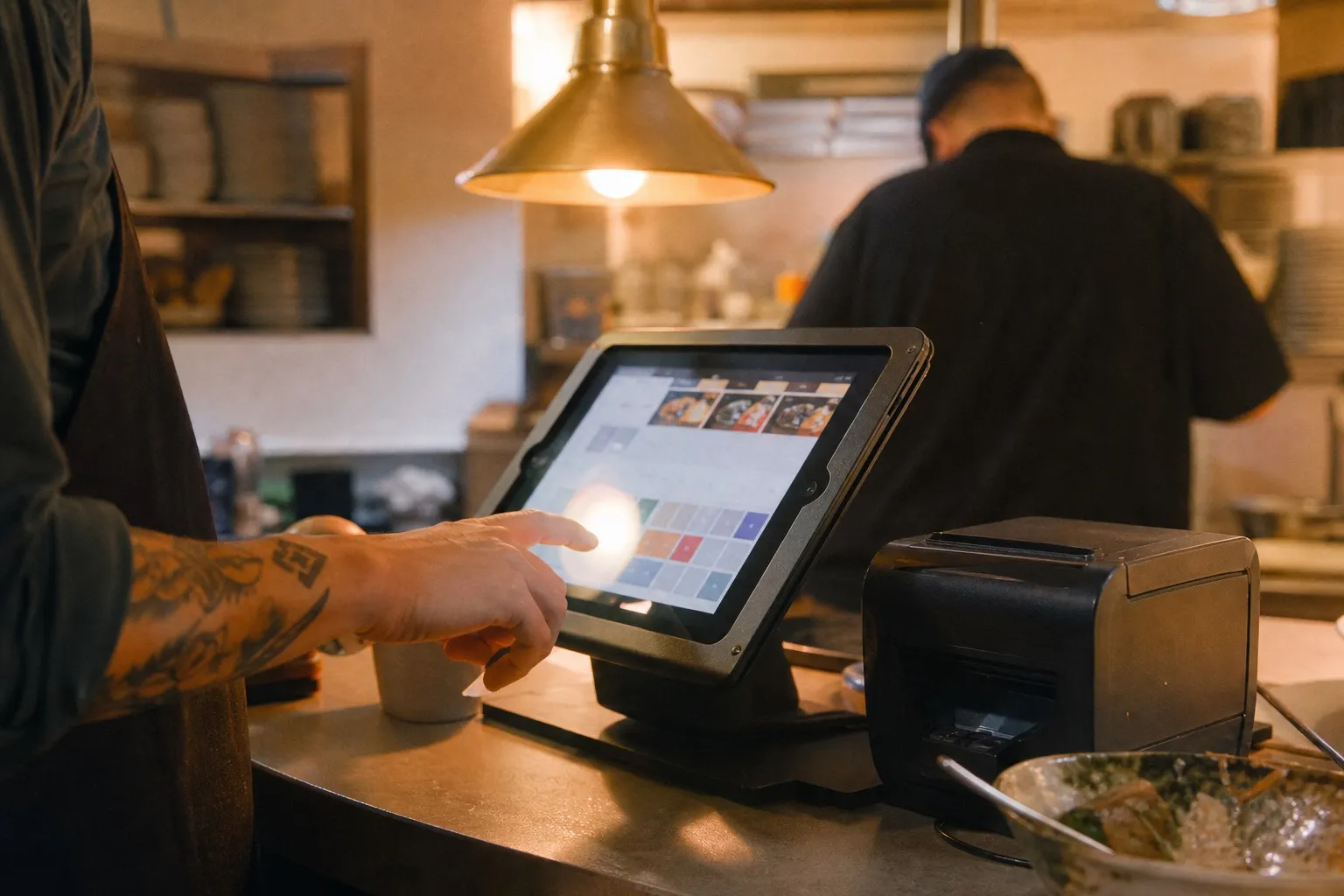
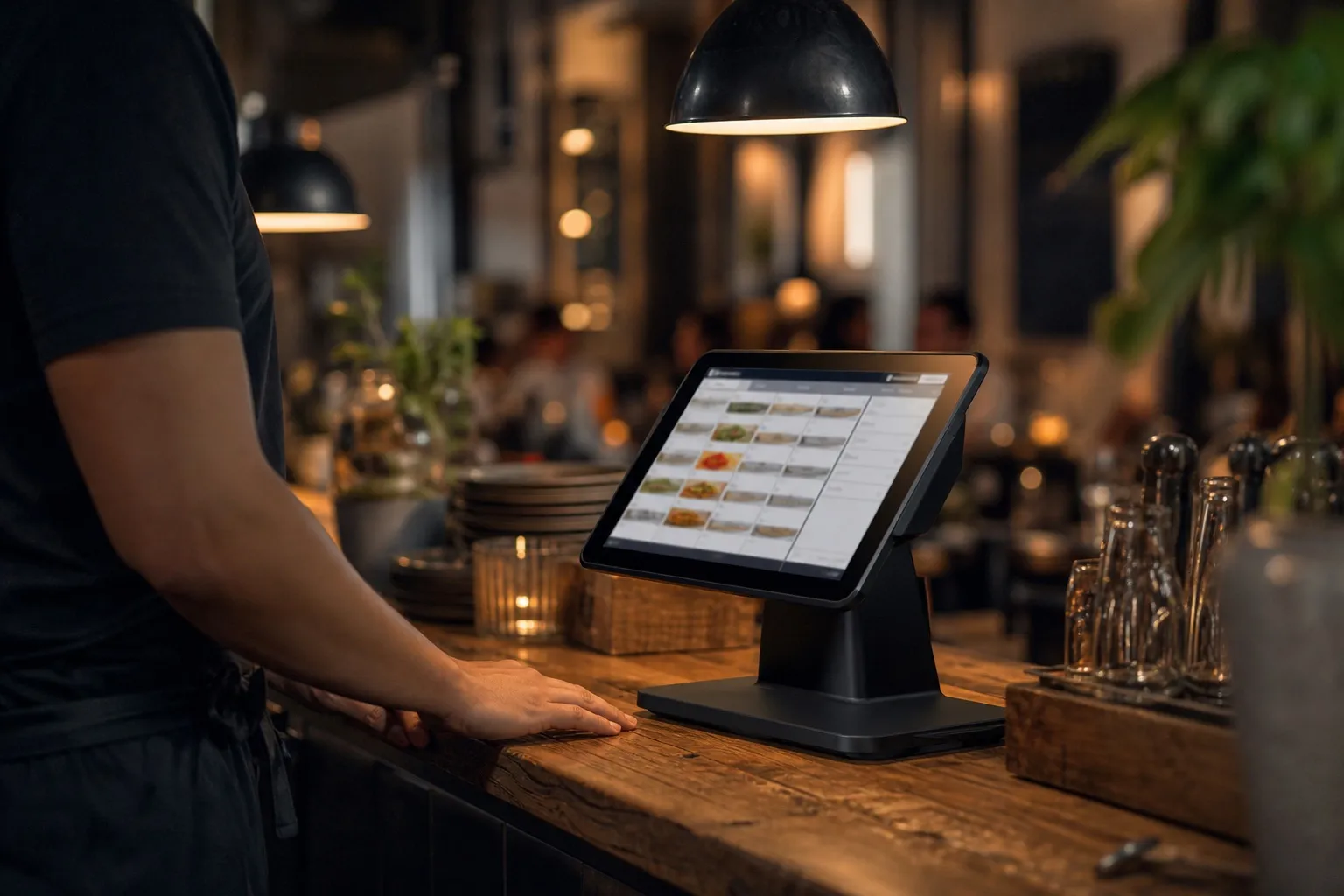
I was on a call with an operator in Brooklyn this morning, mid-rant about the tablet wall behind his expo station, when the Block investor relations note dropped into my inbox. He has six tablets. One of them is Grubhub. By the end of the year, if he wants, that tablet goes in a drawer. Grubhub orders will land inside his Square POS, in the same ticket queue as the dine-in covers and the pickup tabs. And on the consumer side, the next time a college student in Champaign orders wings on Grubhub at 1 a.m., they will be able to pay with Cash App Pay at checkout.
That is the deal Block and Grubhub announced today, and the Block investor release lays it out plainly. Grubhub orders flow natively into Square. Cash App Pay shows up in Grubhub checkout. Two doors, one company opening both of them at once.
The contrarian read — and the one I think operators should sit with — is that this is the most visible expression yet of Block’s “both sides of the counter” strategy. Not a marketing slogan. A balance sheet move. Block now owns enough of the consumer wallet (Cash App) and enough of the merchant rail (Square) that a partner like Grubhub, which sits awkwardly between the diner and the kitchen, becomes a corridor Block can light up from either end. The third-party marketplaces have spent five years arguing they are infrastructure. Block just treated one of them like infrastructure.
The tablet drawer thesis
Let me be honest about what the Square-Grubhub native integration actually changes on the ground. The operator does not save the commission. The take rate on Grubhub is what Grubhub says it is, and nothing in today’s announcement suggests Block is in the business of renegotiating that. What the operator saves is labor and error rate. One ticket queue. One menu source of truth. One kitchen printer routing logic. Howard Migdal, Grubhub’s CEO, framed it in the release as simplifying operations for the 415,000 merchants Grubhub works with across more than 4,000 US cities — and on that specific point I think he is right. Tablet sprawl is not a marketing problem. It is a throughput problem. Every extra screen behind the expo is a place where a 14-minute ticket becomes a 19-minute ticket.
If you have read this column for a while you know I am skeptical of every “POS as the brain” pitch, because the POS vendors have been promising the same single-pane-of-glass dream since Aloha was the new kid. What is different here is that Block is not asking Grubhub to integrate into a generic API surface and hope. Block bought the demand side too. The incentive to actually make the integration good — to make it the default, not the checkbox — runs through Cash App economics, not just Square’s MRR.
For the broader picture of how restaurant tech stacks are getting consolidated through M&A and partnership rather than greenfield builds, the Mews-led PMS roll-up I cover in a forthcoming May piece tells a parallel story on the hotel side. Different vertical, same gravitational pull: the systems that touch both the guest and the operator are the ones doing the eating.
Cash App at checkout is the actual news
Operators will focus on the POS integration because it is the part they can feel. The strategically heavier half of the deal is Cash App Pay landing inside Grubhub checkout. Block does not break out Cash App Pay attach in this release, but the direction of travel is clear from every quarterly print of the last two years: Cash App Pay is the wedge Block uses to insert itself into checkouts it does not own. Each one of those checkouts is a place where a Cash App balance gets spent instead of cashed out to a bank — which is the entire reason the Cash App economics work.
Adding Cash App Pay to Grubhub is not just a payment option. It is a routing decision. A 22-year-old who already keeps a balance in Cash App now has a frictionless way to spend it on a Friday night burrito, and Block earns the interchange-equivalent economics on a transaction it previously had no exposure to. Multiply that across Grubhub’s footprint — 415,000 merchants, 4,000+ US cities — and you start to see why this deal sits in the IR section and not just the partnerships blog.
The companion read here is DoorDash’s commerce ambitions, which I am writing up for an upcoming May piece. DoorDash has been pushing in the opposite direction: building its own merchant-side tools, its own ads engine, its own payments rail. Block-Grubhub is a different bet — partner the demand layer with a payments-native consumer wallet, rather than building a wallet from scratch. We are going to find out, over the next eighteen months, which model bends the unit economics harder.
Mark interpretation
My read is that today’s deal is a tell, not a treaty. Block is signaling that its strategic question is no longer “Square or Cash App.” It is “where do those two flywheels touch the same transaction.” Grubhub is the easiest place to test that thesis, because it is a marketplace with a tired balance sheet and a CEO who needs the integration story more than he needs the autonomy. Expect more of these. Expect Block to do a similar deal with a hotel booking surface inside twelve months. Expect, eventually, a version of Cash App Pay sitting natively inside Square’s own first-party order-ahead. The “both sides of the counter” phrasing is going to age into something less cute and more obvious: Block is becoming a payments-and-distribution holding company that happens to sell card readers.
The tablet drawer is a start. The wallet is the game.
— Samuel hosts the Service podcast for TableTransfers. Tips: [email protected].
Featured
More
Browse all 494 posts
The Voice Agent Maturity Curve
mise
·12 min read
The Four Margins of a Restaurant
mise
·14 min read
The AI Premium in Hospitality M&A: Broker Story or Real Number?
the bottom line
·9 min read
What the DoorDash/SevenRooms Deal Actually Buys
the bottom line
·11 min read