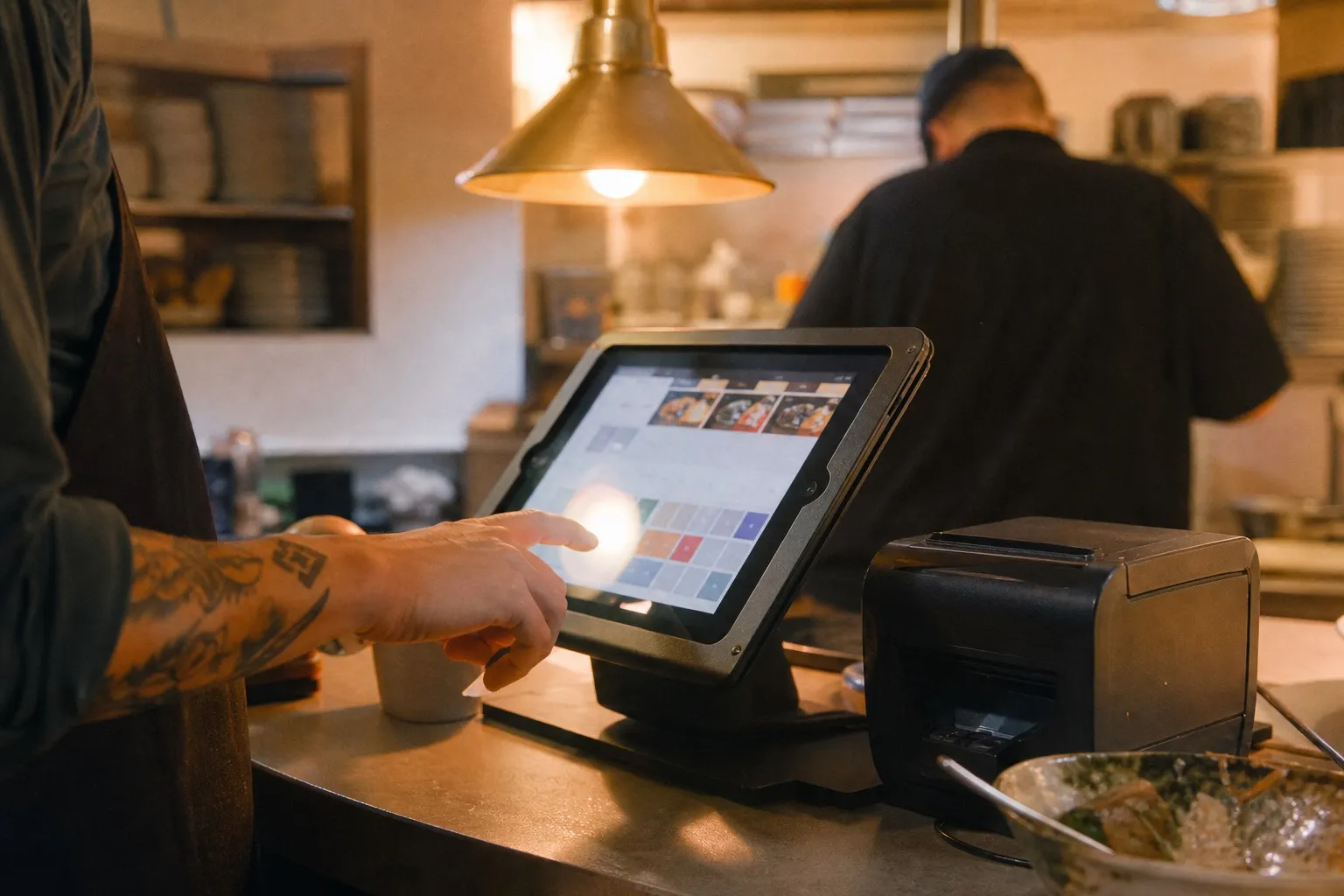
Canary Layers AI on Sales & Catering — Where 25-50% of Full-Service Revenue Lives

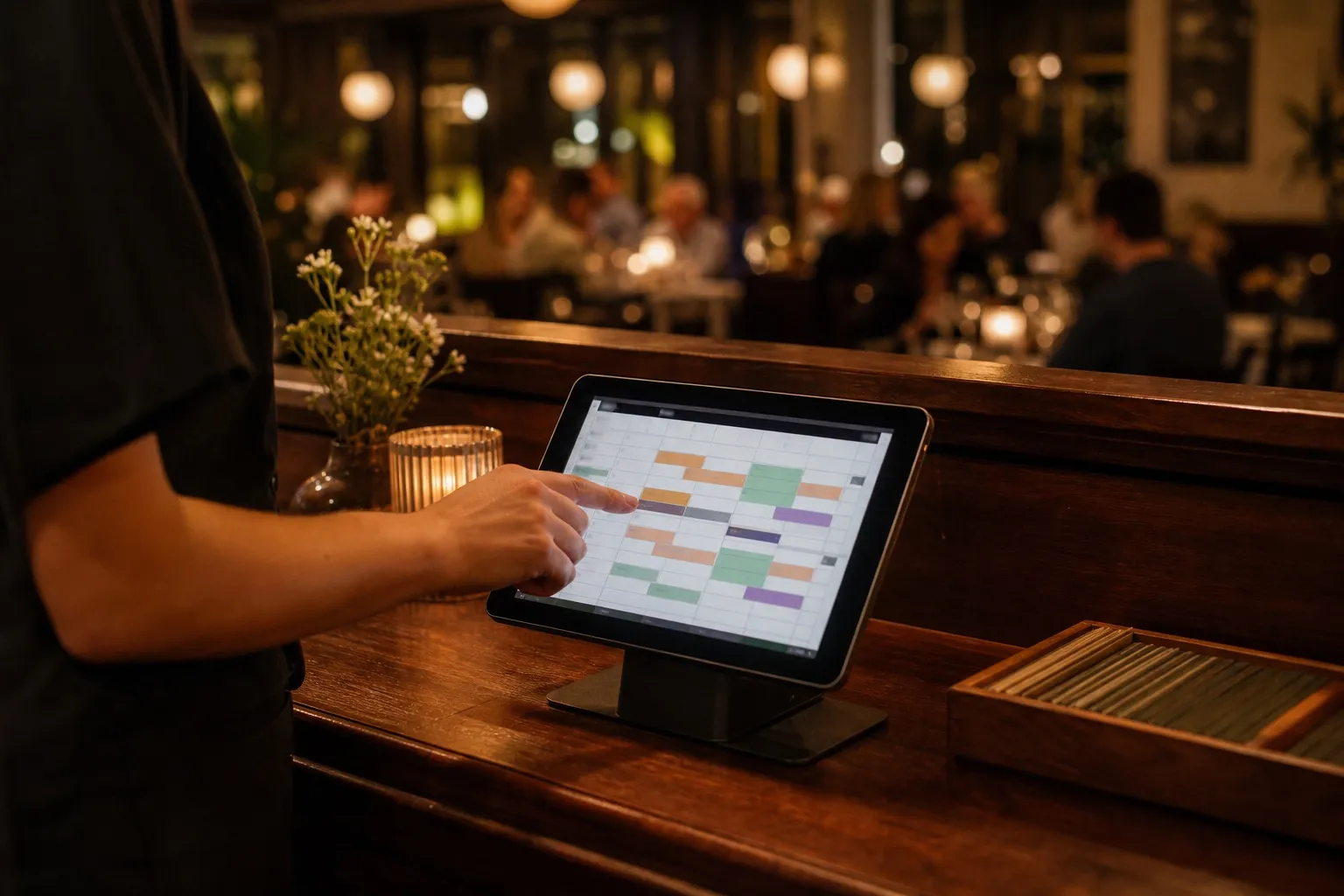
Days after its Series D, Canary aims AI at hotel sales and catering — a workflow-automation push at a segment full-service operators have under-tooled for a decade. Maya marks the bet and what it means for the GM's P&L.
I am sitting in the back of a 300-cover ballroom on a Sunday afternoon, watching a catering coordinator do the job a software vendor should have automated by 2018. She has three browser tabs open — a BEO PDF, a payment processor portal, and a Google Sheet of deposit schedules — and she is using a hotel landline to ask the bride’s mother to read out a credit card number she has already read out twice this week. The Marriott across the street, I am told, runs the same play. So does the independent boutique two miles north. This is the segment Canary Technologies just decided is its next frontier, and on reflection, I cannot believe it took anyone this long.
The news of the day: Canary launched an AI-powered Sales & Catering Payments Hub, announced on HITEC.org, aimed squarely at the slice of full-service revenue that has been ignored by the last decade of hospitality SaaS. Catering and group sales account for somewhere between 25 and 50 percent of revenue at a typical full-service hotel — and yet the tooling around it has, until now, mostly meant a Salesforce-derivative CRM bolted to a manual payments workflow that still terminates in a fax machine somewhere. The contrarian read is not that this is incremental. It is that this is the most under-tooled high-margin workflow left in the building.
The segment everyone forgot
It is worth saying out loud why this corner of the stack got starved. Independent restaurants got reservations platforms. QSR got kiosks. Front desks got mobile check-in. Even housekeeping got tablets. Sales and catering — the team that books the $180,000 wedding and the $40,000 pharma conference — got a CRM, a contract template, and a “please send us a check or call this number to give us your card details” workflow. Card-not-present fraud at the deposit stage is a real cost center. Reconciliation against the property management system is mostly manual. Refunds for canceled events involve a phone tree.
What Canary is doing, per the announcement, is collapsing that workflow into a single digital dashboard that handles both ACH and card payments, generates secure payment links, and uses AI to surface what the sales team should do next — chase a deposit, confirm a balance, flag a delinquent account. SJ Sawhney, Canary’s president and co-founder, framed it bluntly in the release: “Sales and catering is one of the largest sources of revenue for full-service hotels, but the payment process has been stuck in the past.” That is the kind of quote that reads as marketing copy until you have actually watched the workflow, at which point it reads as understatement.
The timing is the part I want to mark. This launch is landing eleven days after the company’s $80M Series D, which valued Canary at a number that implies its investors believe the guest-messaging-and-checkin business can credibly expand into broader hotel operations. A new payments hub aimed at a 25-to-50-percent revenue segment is precisely the kind of move that justifies that valuation thesis. It is also the kind of move that makes me think the next twelve months of hotel-tech M&A will be defined less by who can sign more boutique properties and more by who can attach to revenue lines the CFO actually cares about.
What the GM should be asking
The product question I find more interesting than “does this work” is “where does the AI part actually earn its keep.” On the face of it, you do not need a large language model to send a payment link. You need a templating engine and a payments processor. The AI value, if it materializes, is in the orchestration — which deposits are at risk, which balances are about to age out of contract terms, which group blocks need a nudge before the cut-off date. That is closer to what I have been describing as the agentic layer in the forthcoming May piece on OpenTable and Booking: software that does not just present a workflow but executes against it on the operator’s behalf.
For a GM evaluating this, the questions worth asking before signing:
- What is the actual chargeback and fraud rate on event deposits today, and what does Canary’s hub claim to reduce it to? If the answer is “we do not measure that,” congratulations, you have just found a meaningful line item that has been hiding in the noise.
- How does the hub reconcile against the property management system and the brand’s central reporting? Catering revenue that is not posted cleanly into the PMS is catering revenue that does not show up in RevPAR-adjacent metrics, and that is a finance and franchisor headache.
- Does the AI agent send messages on the operator’s behalf, or merely recommend them? The gap between “drafts a follow-up” and “sends a follow-up at 9am with a payment link and logs the outreach” is the difference between a nice-to-have and a labor-displacing system.
The contrarian thesis I will plant my flag on: the next high-margin category of hospitality software is not another guest-facing layer. It is the back-of-house workflow automation that finally drags sales and catering, banquets, group bookings, and event reconciliation into the same century as the rest of the operation. Canary is making a credible early bet there. The question for everyone else — Cloudbeds, Mews, Stayntouch, every PMS that thought catering was someone else’s problem — is whether they can respond before this becomes the default.
— Maya covers restaurant tech for TableTransfers. Tips: [email protected].
Featured
More
Browse all 494 posts
The Voice Agent Maturity Curve
mise
·12 min read
The Four Margins of a Restaurant
mise
·14 min read
The AI Premium in Hospitality M&A: Broker Story or Real Number?
the bottom line
·9 min read
What the DoorDash/SevenRooms Deal Actually Buys
the bottom line
·11 min read