Chipotle's Quiet Kitchen Upgrade Is Shipping in 60 Stores — Here's the Spec

Chipotle's Q2 wasn't the story; the equipment retrofit they disclosed during the call is. A dual-sided plancha, a three-pan rice cooker, and load-balancing software are now standard in Q4-25 new openings, with a three-year rollout to existing stores.
The line cook at the Newport Beach Chipotle I stood behind last week was doing something I hadn’t seen before in a Chipotle kitchen: he was leaving the chicken alone. Two slabs hit the plancha, the lid came down, and he turned to portion rice while a timer ran. Four minutes later, he flipped the lid, pulled the chicken, and started chopping. No flip mid-cook. No pressing the meat into the surface to chase color. The plancha did both sides at once.
That’s the story Chipotle buried in its Q2 earnings call. Not the comparable sales miss or the new-store count — the kitchen retrofit they’re rolling into 60 existing stores and standardizing in every Q4 new opening. Most of the analyst coverage on the print treated it as a footnote. It isn’t. It’s the most concrete piece of operational news the chain has put out in two years, and it changes the unit economics in ways the comp number actively hides.
What’s actually in the box
Restaurant Technology News got the cleanest disclosure of the spec, and the pieces are worth itemizing because each one targets a specific bottleneck that anyone who’s stood on a Chipotle line at 12:15 p.m. has watched in real time.
The dual-sided plancha is the headline. Chicken cook time drops from roughly 12 minutes to about 4. That’s not a marginal efficiency — that’s a structural change in how the line behaves. Twelve minutes is long enough that the chicken station has to over-produce against a forecast; four minutes is short enough that a cook can produce against actual demand. The implication for waste, hold times, and the “we’re out of chicken” experience is direct. It also means the protein station stops being the choke point that throttles every other position during a rush.
The three-pan rice cooker is less glamorous and arguably more important. Rice consistency is the single most visible quality variable at Chipotle — under-cooked rice goes back, mushy rice goes back, dry rice gets covered in extra salsa. Three pans means three batches at staggered offsets, which means the rice on the line is always within a tighter window of having been cooked. The high-capacity fryer addresses chips, which sounds trivial until you remember chips are an attach-rate driver and a margin product. Running out of fresh chips at 1 p.m. is a several-thousand-dollar problem at a high-volume store across a week.
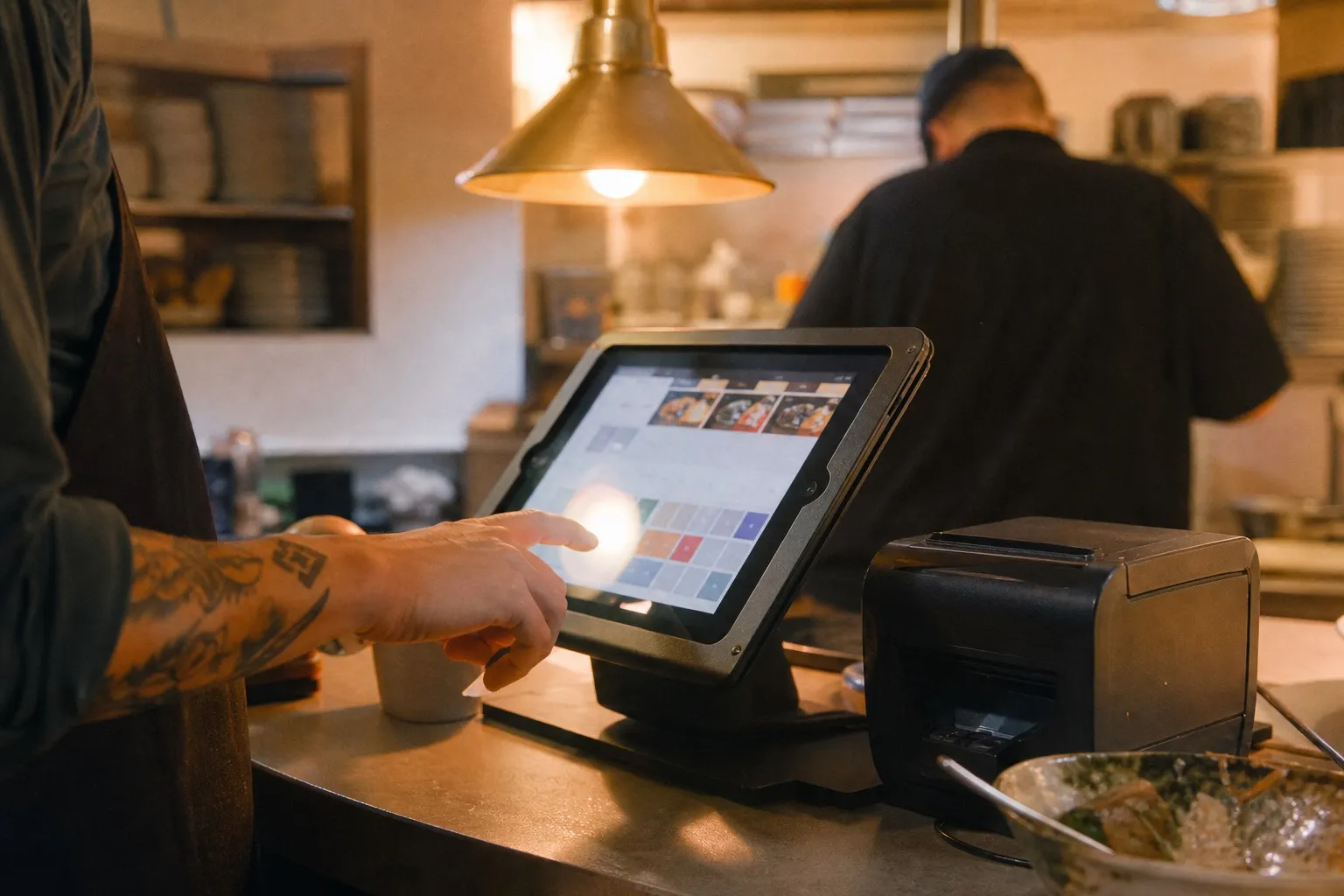
And then there’s the tablet. Catering at Chipotle has been routed through a mix of the app, Chipotlanes, and whatever the GM could improvise. The new tablet does load-balancing — it looks at the production state and the in-restaurant order queue and tells the catering cook when to start a 40-person order, not just that one exists. That’s the part the company hasn’t talked about loudly, and it’s the part I’d watch.
Why this hits different than the AI announcements
Chipotle’s narrative for the last 18 months has been about the AI stack — Autocado, Augmento, the predictive prep tools I’m covering in a forthcoming May piece. Those are real. They are also, candidly, the kind of thing that gets disclosed because it photographs well and survives a 60-second segment on CNBC. The plancha doesn’t photograph well. The plancha just shortens the chicken cook by two-thirds.
The contrast with McDonald’s drive-thru AI rollout, which I’ll be writing about in an upcoming May piece, is instructive. McDonald’s spent two years and a partnership with IBM trying to solve a problem (drive-thru order accuracy) that the underlying menu and queue design made fundamentally harder than it needed to be. Chipotle is going the other direction: the equipment changes the production constraints, and the software gets to operate on a kitchen that’s already faster.
That sequencing matters. If your bottleneck is a 12-minute protein cook, no amount of demand forecasting helps — you’re waiting on physics. If your bottleneck is a 4-minute cook, suddenly the forecast is actionable, because the kitchen can respond to it inside a service window. The plancha isn’t replacing the AI. The plancha is what makes the AI useful.
The mark of a serious operations announcement is that you can write down the throughput math on a napkin. Chipotle’s Q2 disclosure passes that test. The McDonald’s drive-thru one didn’t.
The Q2 numbers, in context
Revenue was $3.06 billion, up 3% year over year. Comparable sales were down roughly 4%. The chain opened 61 new restaurants, 47 of them with Chipotlanes. That’s the part the Street focused on, and it’s why the stock got punished.
But read the rollout schedule against the comp number. Sixty stores are getting the retrofit now. Every Q4 new opening — and Chipotle is targeting 315-345 new restaurants for the year — gets the new spec standard. The existing fleet of ~3,700 U.S. stores converts over three years. By the time we’re looking at Q2 2027, more than half the system is running the new kitchen.
The capex per store is the number nobody’s said out loud, and it’s the number I’ll be hunting. A plancha of that spec is not a $5,000 piece of equipment. A three-pan rice cooker isn’t either. If the per-store retrofit is in the $40-60K range — which is my back-of-envelope estimate based on comparable QSR equipment refreshes — then the three-year program is a quarter-billion-dollar commitment that nobody on the call asked about.
What I’d watch from here
Three things. First, whether the 60-store pilot publishes any throughput data — peak-hour transactions per hour is the metric that would actually validate the spec. Second, whether catering attach in the pilot stores moves; that’s where the tablet’s load-balancing should show up first. Third, whether the company starts talking about labor hours per shift, because a 4-minute chicken cook plausibly removes a position from the line during off-peak hours.
The comp number will recover or it won’t. The kitchen is the thing that’s actually changing.
— Maya covers restaurant tech for TableTransfers. Tips: [email protected].
Featured
More
Browse all 494 posts
The Voice Agent Maturity Curve
mise
·12 min read
The Four Margins of a Restaurant
mise
·14 min read
The AI Premium in Hospitality M&A: Broker Story or Real Number?
the bottom line
·9 min read
What the DoorDash/SevenRooms Deal Actually Buys
the bottom line
·11 min read