Digi Just Bought Jolt for $145.5M and Stitched IoT to Checklists

Digi International paid $145.5M cash for Jolt, the 26,000-location ops-execution platform. The press release reads like an ARR bolt-on. The actual structure — SmartSense IoT sensors married to Jolt's checklist software — is the under-the-radar restaurant-tech deal of August.
I caught the Digi press release on a Friday afternoon — the kind of release that lands at 4 p.m. Mountain when nobody is paying attention, the kind I almost always skip because Digi is an industrial-IoT company and the announcements are usually about cellular routers. This one was different. Digi International had bought Jolt for $145.5 million cash, and once I read past the headline I realized the trade press was about to undercover the most interesting restaurant-tech deal of the month.
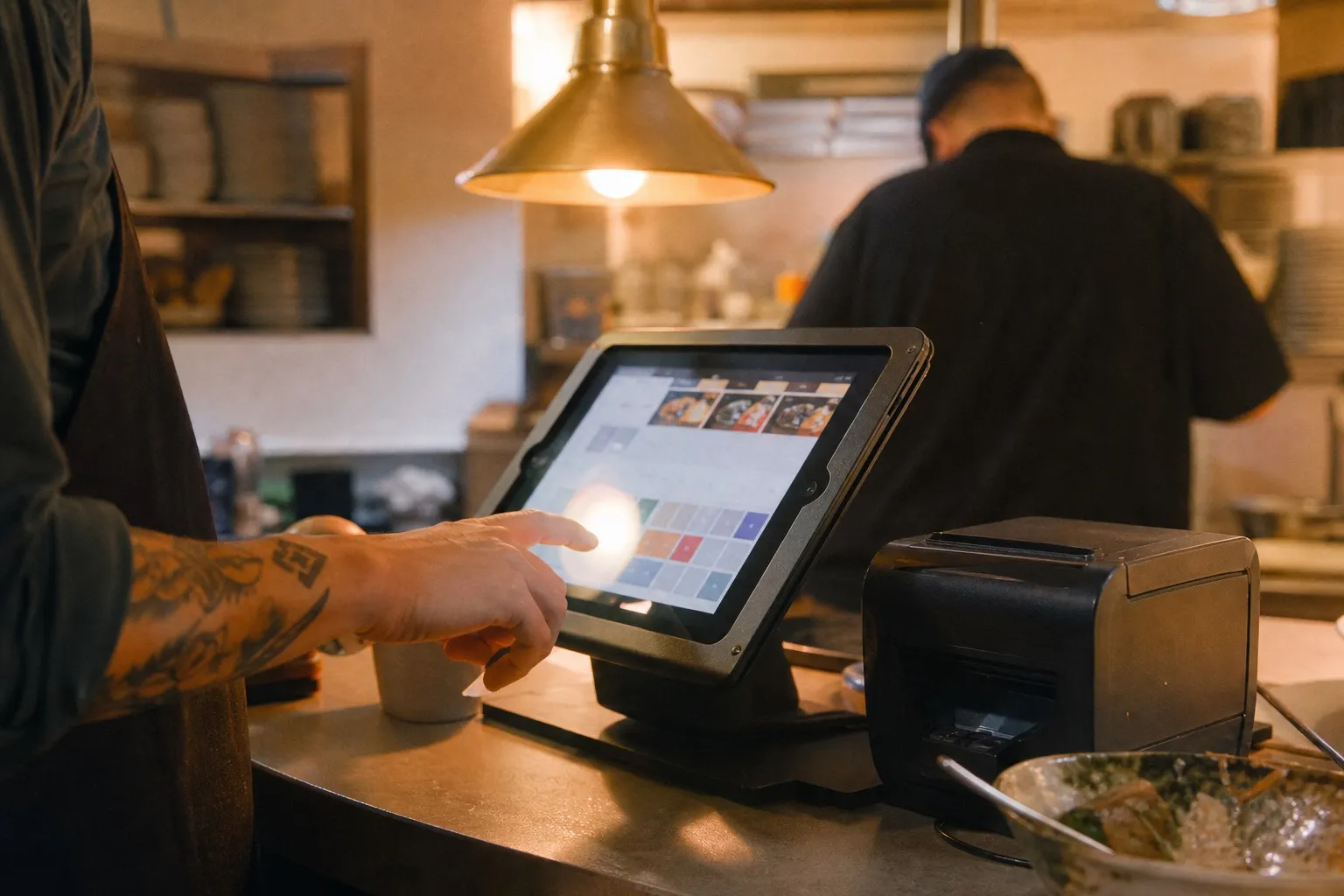
Here is the contrarian read: every other August deal sheet is going to highlight a POS or a delivery roll-up. The actual structural move is at the boring end of the stack. A public industrial-IoT vendor just bought an ops-execution SaaS — the company whose tablets run the morning open checklist at 26,000 restaurant and retail locations — and stitched it directly to its temperature-sensor hardware. That is a category bet, not a tuck-in.
Why $145.5M is the right number for $20M of ARR
The deal math, as Digi disclosed it in the Yahoo Finance write-up of the announcement, is straightforward on its face. Jolt finished its fiscal year ending January 2025 at roughly $20 million of ARR. The cash consideration is $145.5 million. That is a 7.3× ARR multiple at headline, which sits a hair above the recent SaaS M&A median and well below what a pure software buyer would have paid for the same asset.
The interesting line is the synergy number. Digi told investors it expects $11 million of annualized synergized EBITDA by the end of 2026. Back out that figure and the effective multiple drops materially — closer to 13× synergized EBITDA than 7× ARR, which is how Digi’s board approved it and how the Street will model it. The synergy story is not cost takeout. It is the cross-sell into the existing SmartSense footprint, which is where this deal actually lives.
If you only saw the ARR multiple you would assume this is a financial bolt-on for a company that wanted to inflate its software mix. The synergized-EBITDA framing tells you something else: Digi thinks the hardware sensors and the checklist app are worth more bundled than separate, and they are willing to underwrite $11M of run-rate dollars to that conviction.
The structural move is sensors-plus-checklists
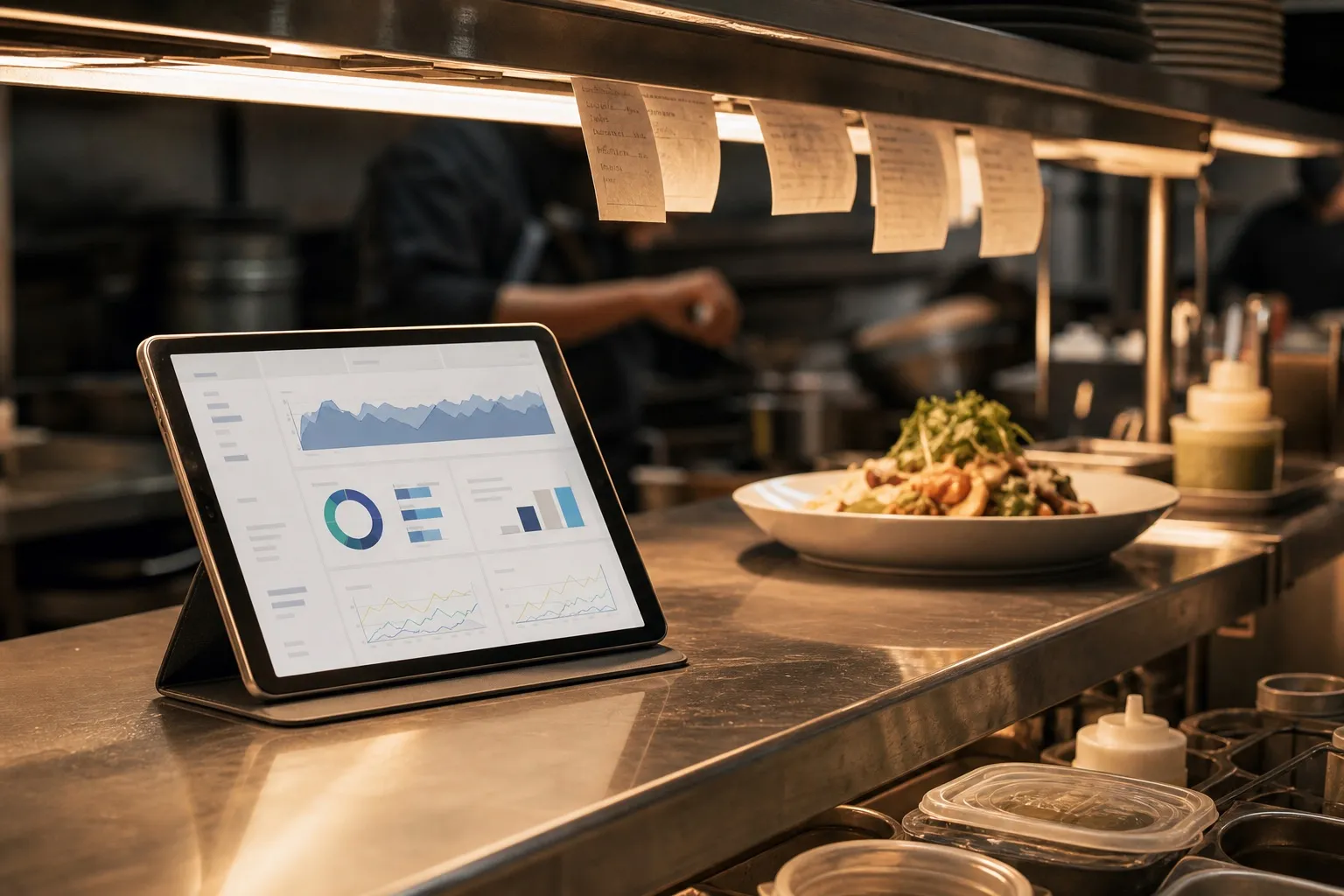
Here is what nobody outside the food-safety beat is going to register. SmartSense’s own announcement of the acquisition framed it not as ARR accretion but as a stack consolidation: SmartSense’s IoT temperature, humidity, and equipment-status sensors feeding directly into Jolt’s task and checklist workflows on the back-of-house tablet.
That is the integration restaurant operators have been Frankensteining together with Zapier and middleware for a decade. The walk-in cooler reads 41°F at 6 a.m. The morning open checklist asks the closing manager to confirm the walk-in is below 40°F. Today those two signals live in different systems and the manager pencil-whips the second one because the first one is on a different vendor’s portal. Bundle them and the checklist auto-completes — or auto-fails and auto-escalates — based on the sensor reading. The compliance burden gets lighter for the operator and heavier for the equipment. That is the right direction.
Mark this as the interpretive bet. Digi is wagering that food-safety and ops-execution software is more valuable when the actions are triggered by physical-world telemetry rather than by a manager tapping a tablet. The 26,000 Jolt locations across 60 countries become a distribution channel for SmartSense hardware that Jolt sites mostly do not have yet. The existing SmartSense customers — heavy in QSR and grocery — become a distribution channel for Jolt’s checklist software they mostly do not have yet. The cross-sell is real and goes both directions.
The synergized-EBITDA number is what tells you Digi’s deal team modeled it that way. You do not underwrite $11M of run-rate EBITDA against $20M of ARR through cost cuts. You underwrite it through a meaningfully higher attach rate on both sides of the bundle.
What this slots into
I’ll come back to this one when I update the M&A roundup. The deal will read differently inside a longer 2025 sequence — DoorDash/SevenRooms, the broader platform consolidation, the PE software multiples — and a forthcoming May piece collects those threads in one place against the question of what buyers are actually paying for. Digi/Jolt belongs in that conversation. It is the cleanest example I have seen in months of an industrial buyer paying a software multiple for the right reason: because the software gets more valuable when it is welded to the hardware the buyer already ships.
Confidence note: this read leans on the Digi announcement and the SmartSense framing. Jolt has not separately disclosed gross retention, net retention, or location-level economics. If those numbers come out in subsequent diligence — or in Digi’s next earnings deck — I’ll revisit the multiple math.
— Maya covers restaurant tech for TableTransfers. Tips: [email protected].
Featured
More
Browse all 494 posts
The Voice Agent Maturity Curve
mise
·12 min read
The Four Margins of a Restaurant
mise
·14 min read
The AI Premium in Hospitality M&A: Broker Story or Real Number?
the bottom line
·9 min read
What the DoorDash/SevenRooms Deal Actually Buys
the bottom line
·11 min read