Dishoom Gives Up Its Independence: L Catterton Checks In for the US Play
Dishoom — the only UK Indian-restaurant brand to resist outside money for fifteen years — has taken a minority investment from L Catterton at a valuation The Sunday Times reports to be around £300m. The reason is a 2026 New York opening, and the bigger story is LVMH-backed capital flowing into UK hospitality at scale.
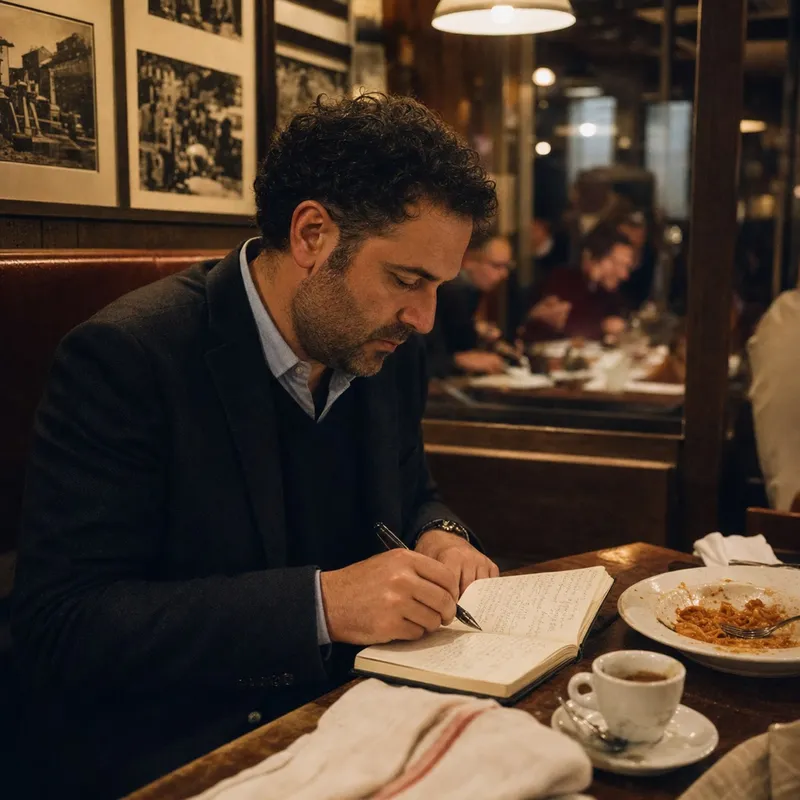
I walked into Dishoom Covent Garden last Wednesday at the moment it usually loses its mind — 6:42 p.m., the queue four-deep at the host stand, a French family negotiating in real time about whether the wait was worth it (it was), bacon naan smell carrying from the kitchen pass to the bar. Nothing about the room had changed in the fortnight since the Restaurant Online story broke on August 4. The chai still arrives in a small steel pot. The black daal still comes with a “twenty-four hours” disclaimer. The only thing different is the cap table.
Here is the contrarian thesis up front: this is not a hospitality deal. It is an LVMH-backed capital event landing in UK hospitality at a scale the sector has not previously seen at the casual-dining tier. L Catterton — the largest consumer-focused private equity firm in the world, with LVMH as anchor investor — has taken a minority position in Dishoom at a valuation The Sunday Times reports to be in the region of £300m. Mark that as reported, not disclosed. The number is real enough to think with, careful enough to caveat. What is not in question is that Dishoom — fifteen years of refusing every approach that came across the transom — has finally let an outside check land. And the reason is New York.
Fifteen years of saying no, and the reason they finally said yes
Dishoom has been the great anomaly of UK casual dining since brothers Shamil and Kavi Thakrar opened the first Covent Garden site in 2010. Every comparable brand at that scale has, at some point, taken institutional money — Hawksmoor with Graphite, Wahaca through Cabinet Office-era private equity, Honest Burgers via Active Partners. Dishoom did not. The Thakrars famously told one approach after another that the cost of capital was the cost of their judgement, and they were not interested in selling that.
So the question is what changed. The official framing in the FinSMEs writeup is unambiguous: this is a minority investment, and it is for the US. The founders and CEO Brian Trollip retain operational control. L Catterton gets a board seat or two and the kind of category insight a firm that has previously backed Cholula, Sweetgreen, and Birkenstock genuinely does have. The Thakrars get the one thing fifteen years of organic growth couldn’t get them — the balance sheet to open in Manhattan in 2026 without leveraging the existing UK estate to do it.
That is the trade. They have kept the thing they wanted to keep (the operating company, the brand discipline, the menu) and traded the thing they were willing to trade (a slice of the equity and a partner in the room). For a US opening of the scale Dishoom would need to attempt — Soho or the Flatiron or wherever it lands, fit-out at New York rates, an opening team flown out for six months — the maths only works with external capital. The alternative was a debt-funded opening, and that is not how the Thakrars have ever run the business.
Why L Catterton, and why now
The interesting question is the who, not the what. There were any number of UK and continental sponsors who would have written this cheque. Dishoom chose L Catterton, and the read I keep coming back to is that they did so because L Catterton is the only fund in the consumer space with both the LVMH connection and the US restaurant operating playbook. The firm took Cholula from family-owned hot-sauce brand to a McCormick exit at $800m. They built Sweetgreen from a DC three-store concept into a public company. They know how to take a UK or European brand and land it on West Broadway without losing the thing that made the brand work in London.
The 2026 timeline is also tighter than it looks. New York fit-outs at Dishoom’s level of finish — the brass, the marble, the bespoke joinery, the Bombay-café reference photography — run twelve to eighteen months. A 2026 opening means a lease is being finalised now, or close to it. That tells you the L Catterton conversation has been going on longer than the August press release implies. These deals do not close in a fortnight.
What this signals about UK hospitality capital
This is the part the trade press is underreading. The Dishoom deal is not a one-off. It is a marker. LVMH-adjacent capital has now publicly entered UK casual dining at the £300m valuation tier, which is several rungs above where the existing UK sponsor-backed restaurant groups trade. The signal to every other founder-led UK brand at scale — Hawksmoor, Flat Iron, Honest Burgers, Padella, Pizza Pilgrims, Lina Stores — is that there is a buyer in the market at multiples those founders may not have realised were available to them. Whether they want to take that call is a separate question. But the call exists now, and it did not exist on August 3.
I covered the broader 2025-2026 M&A picture in a forthcoming May piece that puts the Dishoom deal alongside DoorDash/SevenRooms, Thoma Bravo/Olo, and the rest of the AI-premium argument. The short version: the AI premium is mostly a broker story at the operator level. Dishoom is not an AI story. It is a brand-and-data story, which is what L Catterton actually buys. That distinction matters when you read the next six months of UK hospitality dealflow — which there will be more of, and which will increasingly come from international consumer-PE houses rather than the domestic sponsors who have been quietly running the table for the last decade.
The black daal still cooks for twenty-four hours. The New York rent will not be paid in chai.
— Luca covers restaurants for TableTransfers. Tips: [email protected].
Featured
More
Browse all 494 posts
The Voice Agent Maturity Curve
mise
·12 min read
The Four Margins of a Restaurant
mise
·14 min read
The AI Premium in Hospitality M&A: Broker Story or Real Number?
the bottom line
·9 min read
What the DoorDash/SevenRooms Deal Actually Buys
the bottom line
·11 min read