Kea Wants to Make Voice AI as Easy as Installing a POS App

Kea's self-service voice AI deployable in under an hour is a meaningful unlock for 1–5 unit independents that have been locked out of enterprise voice deployments.
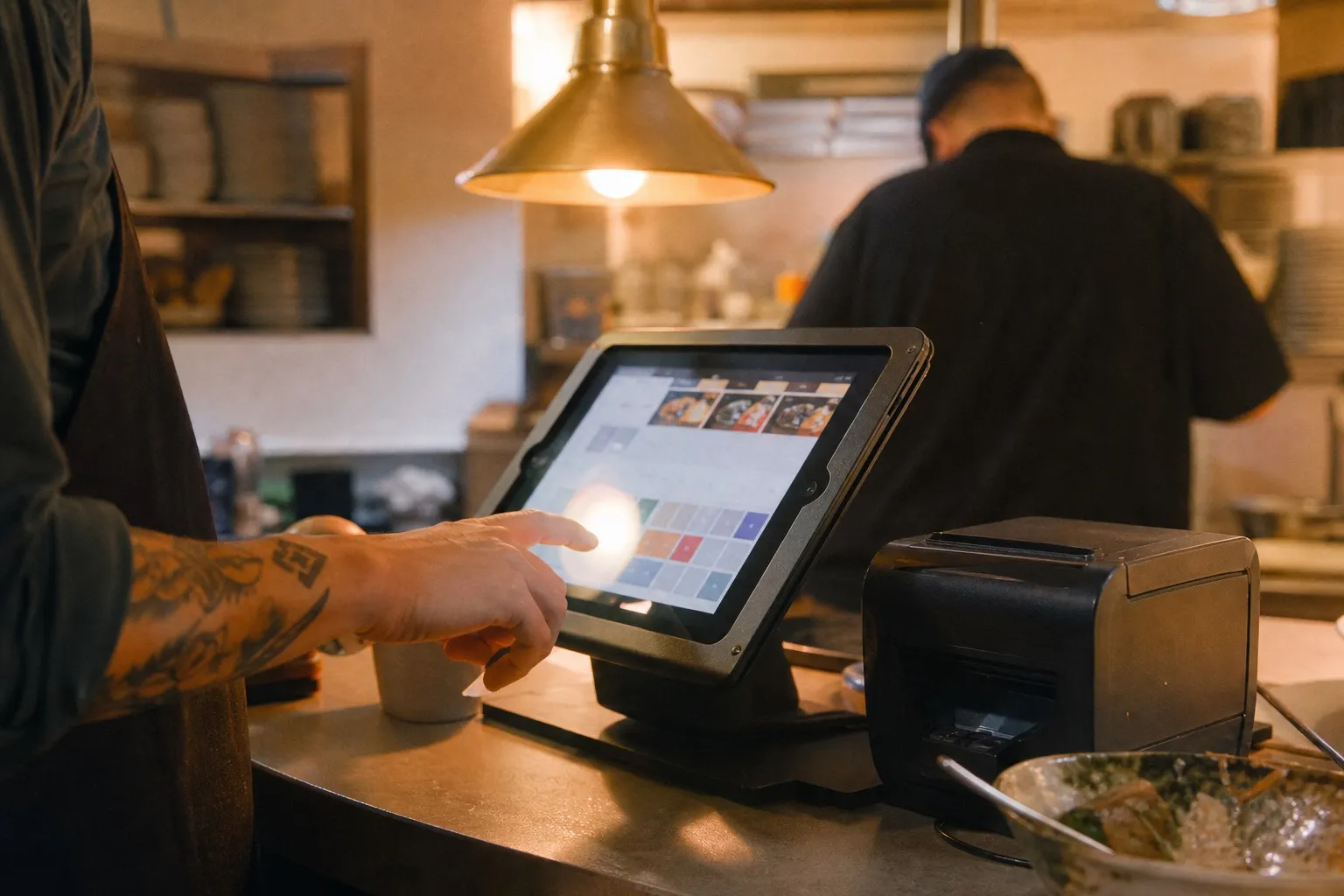
The taco shop on a quiet stretch of Pico has a printer that won’t stop chirping, a line cook calling for more carnitas, and a tablet on the counter where the owner — three units, twelve years in — is tapping through a setup wizard. Phone number on one screen, menu CSV on another, a sample call playing back in a synthesized voice that sounds, frankly, fine. He looks up. “That’s it?” The clock on the wall says we’ve been here forty-three minutes.
That’s the pitch Kea is making with the self-service tier it launched today: voice AI you install like a POS app. No solutions engineer flying in. No six-week integration. No enterprise contract with a procurement cycle longer than most indie operators’ patience. Founder Adam Ahmad is on the record framing the jump bluntly — what used to take “three to six months” now takes under an hour. If that holds up across a few hundred independents, it reshapes who gets to deploy voice automation in 2025.
The enterprise-only era is ending
For the last three years, voice AI in restaurants has been a story about chains. Wingstop, Bojangles, Panera — the brands with the call volume to justify the integration cost and the IT staff to babysit the rollout. Restaurant Business described the segment as “getting crowded” last year, but the crowd was selling exclusively upmarket. SoundHound, ConverseNow, OpenCity, Kea itself — all pitching to ops VPs at brands with at least 50 units.
The math made sense for the vendors. A six-month deploy means you need an ACV that justifies six months of engineering attention. Independent operators with two or three locations couldn’t write that check. So they didn’t get voice AI. They got missed calls during the dinner rush, an hourly worker pulled off the line to take orders, or — increasingly — a third-party answering service charging per minute and routing through someone in another time zone who doesn’t know what carne asada is.
What Kea is shipping today doesn’t change the underlying model quality. The voice stack is the same one running in their enterprise deployments. What changes is the floor. The 1-to-5-unit operator who couldn’t justify the lift now has a path. That’s the unlock. Not better AI — better distribution of AI that already worked.
The funding tells you who believes the SMB thesis
Kea has raised $29.6M to date, and the cap table is worth reading carefully. Marbruck and Xfund lead, with Streamlined Ventures, Deepcore, Heartland, and Morningside all in. Heartland matters — they sell payments and payroll to exactly the kind of independent operator Kea is now chasing. Their presence on the cap table reads as a signal that the distribution play has a partner who already has the SMB merchant relationship.
The competing voice vendors haven’t gone down-market because the unit economics didn’t work at enterprise pricing with enterprise deploy times. Kea’s bet is that self-service collapses the cost-to-serve enough that a $300-$500/month tier per location is viable, and the addressable market expands by an order of magnitude. There are roughly 200,000 independent full-service restaurants in the U.S. If even five percent of them deploy voice AI in the next three years, that’s a market no enterprise vendor is currently positioned to capture.
PINCHO co-founder Otto Othman is in Kea’s launch materials talking about doubling unit count partly on the back of voice automation taking the call-volume bottleneck off the GM’s shoulders. Take that with the appropriate grain of salt — founders quoted in launch press are selecting for the most enthusiastic operator they can find — but the pattern is real. Phone orders are still 20-40% of off-premise revenue at most independents, and the operational tax of answering them is enormous.
The skeptic’s case (and why I think it’s mostly wrong)
The pushback is going to be: “Self-service voice AI sounds great, but independents will misconfigure it, customers will hate the experience, and the brand damage will exceed the labor savings.” That’s a real risk. A bad voice-AI experience is more memorable than a bad human one because the failure mode is novel.
But the comparison isn’t “good human” vs. “imperfect AI.” It’s “missed call, hold music for six minutes, or a third-party operator who mispronounces every menu item” vs. “AI that gets it right 85% of the time and escalates the rest.” The current baseline for independent voice operations is bad. Kea doesn’t need to be great. It needs to be better than the missed call.
If the under-an-hour deploy claim holds up in the field — and I’ll be watching closely as the first wave of self-service installs lands — voice AI just became a category that independent operators can actually adopt. That’s the story.
— Maya covers restaurant tech. Tips: [email protected].
Featured
More
Browse all 494 posts
The Voice Agent Maturity Curve
mise
·12 min read
The Four Margins of a Restaurant
mise
·14 min read
The AI Premium in Hospitality M&A: Broker Story or Real Number?
the bottom line
·9 min read
What the DoorDash/SevenRooms Deal Actually Buys
the bottom line
·11 min read