Loman AI Raises $3.5M. The 'Never Miss a Call' Thesis Just Got Cheaper to Underwrite.

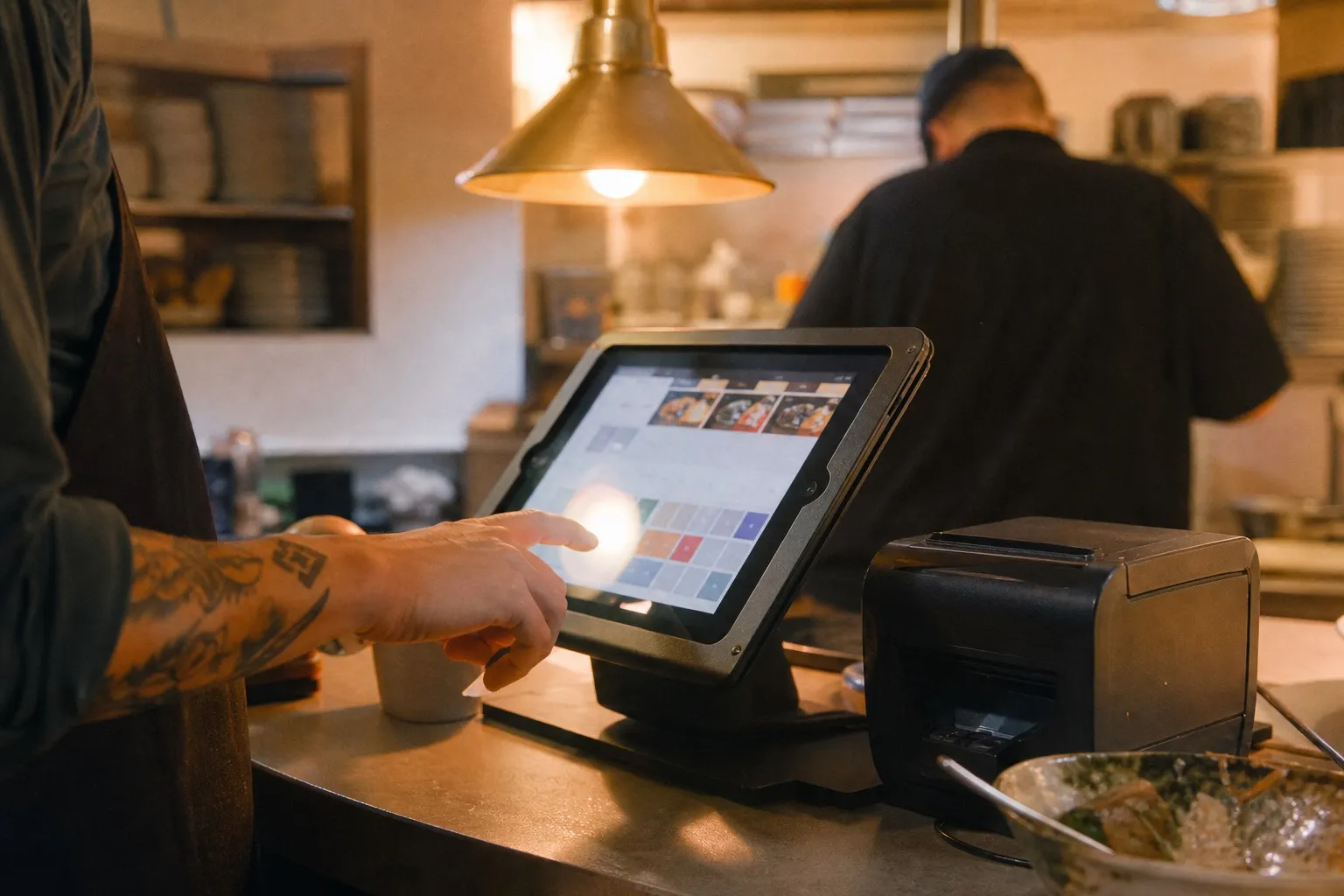
Next Coast Ventures led a $3.5M seed into Loman AI last week — a phone-answering voice agent for independent restaurants. The bet is different from Vox's drive-thru play, and the broader market is starting to settle on a thesis: cheap to deploy beats clever, and the phone is where the volume hides.
I spent Tuesday morning calling pizzerias. Not for a review — for a sanity check. Loman AI’s seed announced last week put a number on something I’ve been hearing from independent operators for months: the phone is the worst-served surface in the restaurant, and the AI that fixes it doesn’t need to be brilliant. It needs to be cheap, reliable, and not embarrassing on a Friday at 7 p.m. Loman’s $3.5M Next Coast-led round, with TenOneTen Ventures and Antler participating, is a bet that the consensus has shifted there too.
The contrarian read isn’t that voice AI is going to win. Everyone already believes that. The contrarian read is which voice AI is going to win — and Loman is making a different bet than the one Vox closed its $2M round on last month. Vox is chasing the drive-thru. Loman is chasing the phone. Vox is enterprise. Loman is independents. Both are right about the technology being ready. They are not right about the same customer.
The phone is the cheap door
Drive-thru voice AI is the headline, but it’s the hard problem. You need ambient noise tolerance, sub-second latency, integration with a kitchen display that wasn’t designed for an agent to talk to, and a brand willing to put your model in front of a million customers a day. Loman’s founder and CEO Christian Wiens has been pretty open that the company is going the other direction: a phone agent for independents — pizza shops, especially — that answers, takes orders, and pushes them into the POS without a host having to drop a pie.
Pizza is the right wedge. The category is overwhelmingly phone-driven, the menus are bounded, the call patterns are spiky in ways that punish staffing, and the operators are sole proprietors who’ll sign a contract themselves. Loman says it has moved “tens of millions” in order volume since its 2024 launch — a vendor-reported number I’d weigh against the seed size, but the directional signal is real. Independents are deploying.
The vendor-reported lift numbers — 22% revenue, 17% labor savings — are the kind of figures I treat as marketing until a third-party audit lands. Mark interpretation: in a category where the alternative is a phone ringing into a void during the rush, any answered call is incremental, which makes the revenue lift cheap to manufacture and the labor number harder to dismiss.
The thesis is becoming consensus
Here’s what’s changed in the last six months. A year ago the pitch for restaurant voice AI was “the model is finally good enough.” Today the pitch is “the model is good enough and the deployment cost is low enough that an independent can afford it.” Crunchbase counted voice-AI startups pulling in serious capital across verticals through the first half of 2025; the restaurant slice of that is no longer a curiosity. Loman, Slang, Kea, Voctiv, Sully, ConverseNow, OpenCity — the field is filling in fast, and Restaurant Business cataloged the crowding two weeks before Loman’s announcement.
Cheap-to-deploy is becoming the consensus. That’s the contrarian flag worth raising: when the deployment cost approaches zero, the differentiator isn’t the model. It’s the integration surface. Loman’s pitch leans hard on POS and reservation system tie-ins, and I think that’s correct. The agent that books the table and writes the ticket beats the agent that just answers the phone, even if the second one sounds better doing it. We laid out the rubric for this in a forthcoming framework piece on voice agent maturity — the short version is that conversational quality is table stakes; the moat is the systems the agent can actually touch.
What I’m watching
Three things on the Loman trajectory worth tracking through Q4:
- Net new locations vs. pizza concentration. If the count stays pizza-heavy, Loman is a category specialist. If it broadens into casual dining without the labor savings collapsing, the thesis generalizes.
- POS partner depth. Toast, Square, Clover, SpotOn — which ones get certified integrations vs. screen-scraping. The first is durable. The second is a demo.
- Pricing posture. Independents have a hard ceiling on monthly SaaS spend. The voice-AI vendor that figures out per-call or per-order pricing instead of seat-based will pull ahead.
The $3.5M is small money in the voice-AI category right now. It’s appropriately sized for the bet Loman is making: not “we will win drive-thru,” but “we will be the boring, cheap, reliable answer for the 700,000 independents who currently miss a third of their phone calls during the dinner rush.” The cheap-to-deploy thesis just got another underwriter. The interesting question is who’s left funding the expensive one.
— Maya covers restaurant tech for TableTransfers. Tips: [email protected].
Featured
More
Browse all 494 posts
The Voice Agent Maturity Curve
mise
·12 min read
The Four Margins of a Restaurant
mise
·14 min read
The AI Premium in Hospitality M&A: Broker Story or Real Number?
the bottom line
·9 min read
What the DoorDash/SevenRooms Deal Actually Buys
the bottom line
·11 min read