Pizza Ranch + Branch: Earned Wage Access as a Recruiting AI Proxy

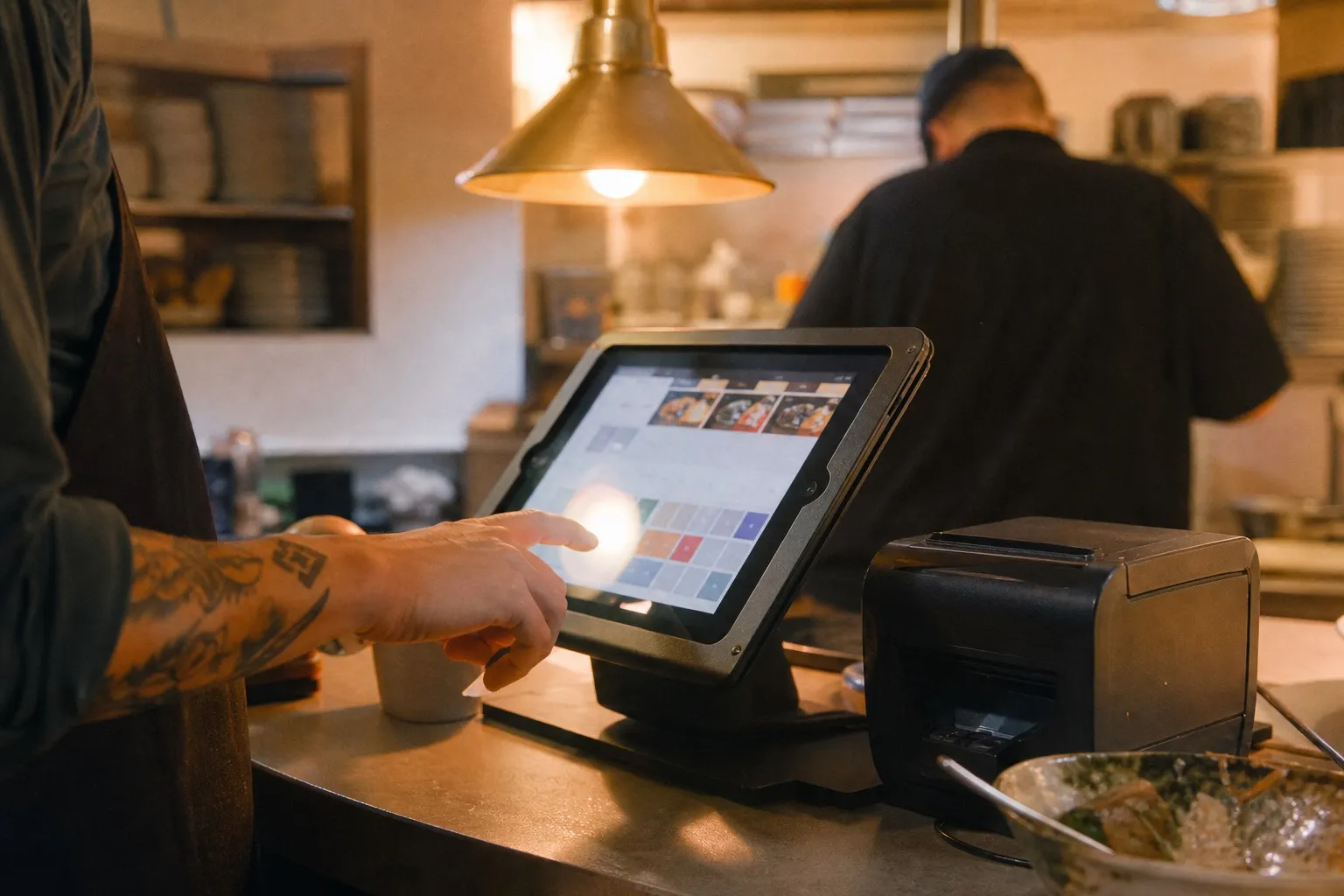
The Pizza Ranch–Branch deal isn't AI per se, but Branch's tipping/payroll algorithms are the labor-economics layer every QSR operator will need once the UK NICs and California $20 minimum-wage waves hit US franchisees.
I was standing in the back-of-house at a Pizza Ranch outside Cedar Rapids when the news pinged my phone. The general manager — a woman who’d been with the brand longer than half her line cooks had been alive — was showing me a clipboard schedule. Actual paper. Then she tapped her phone and said, almost apologetically, “Payday’s Friday but the kids all want it Tuesday.” I asked if she’d heard about the Branch deal. She hadn’t. By the time I drove back to the airport, the press release had made the rounds: Pizza Ranch picking Branch for earned wage access and cashless tips, framed as a staff-retention play across the chain’s roughly 200-unit footprint (RTN recap, week of April 27).
Here’s the contrarian read from The Pass: this isn’t an AI story, and that’s exactly why it matters. When the labor-cost layer hardens — and it is hardening fast — earned wage access is the labor-AI proxy operators reach for first. Before the scheduling models. Before the demand-forecasting overlays. Before any of the shiny stuff. EWA hits the P&L through the same door labor inflation walks through, and it’s the cheapest door operators can open in 2025.
What the Pizza Ranch–Branch deal actually does
Strip away the press-release language and the deal is doing two things at once. One: it lets hourly staff pull a portion of already-earned wages before the formal payroll cycle closes, which in restaurant turnover math is roughly equivalent to giving every shift a small, daily retention bonus. Two: it digitizes tip-out, which sounds boring until you’ve stood at a Pizza Ranch buffet line on a Sunday after church and watched a server count singles for fifteen minutes while the next rush is already seating itself.
What Branch is really selling Pizza Ranch is a substitute for the algorithmic labor stack the chain doesn’t yet have. Pizza Ranch isn’t running predictive scheduling, dynamic wage modeling, or AI-driven retention scoring. Most ~200-unit Midwest chains aren’t. But they’re staring down the same labor curve as everyone else, and EWA is the one move that pencils without a six-figure software project.
Why earned wage access is the labor-AI starter pack
Now zoom out. The UK National Insurance Contributions hike is already rewiring franchisee math in London and the Midlands. California’s $20 fast-food minimum is in its second year and the second-order effects — schedule compression, hours shaved off the back end of shifts, the disappearance of the 35-hour part-timer — are working through the system. The next wave of state-level wage floors and tip-credit fights is queued up behind that. US franchisees who think this is somebody else’s problem haven’t looked at their own labor line lately.
In a regime where you cannot pay people more per hour without breaking unit economics, the operator move is to pay them the same per hour but make the money feel faster. That’s the entire EWA pitch in one sentence. Branch’s tipping and payroll algorithms — the routing, the same-day rails, the tip-pool math — are doing labor-economics work that, in a richer tech stack, would be split across a workforce-management vendor, a payroll provider, and a retention analytics tool. For a chain like Pizza Ranch, bundling all of that into one EWA partner is the rational first move.
I’ll go deeper in a later piece on the operator-economics stack about how this layer eventually becomes the foundation operators build their actual AI labor models on top of. For now, the takeaway is simpler: when an operator picks Branch, they’re not buying AI. They’re buying the seat at the table where the AI eventually sits down.
— Luca covers restaurant operators. Tips: [email protected].
Featured
More
Browse all 494 posts
The Voice Agent Maturity Curve
mise
·12 min read
The Four Margins of a Restaurant
mise
·14 min read
The AI Premium in Hospitality M&A: Broker Story or Real Number?
the bottom line
·9 min read
What the DoorDash/SevenRooms Deal Actually Buys
the bottom line
·11 min read