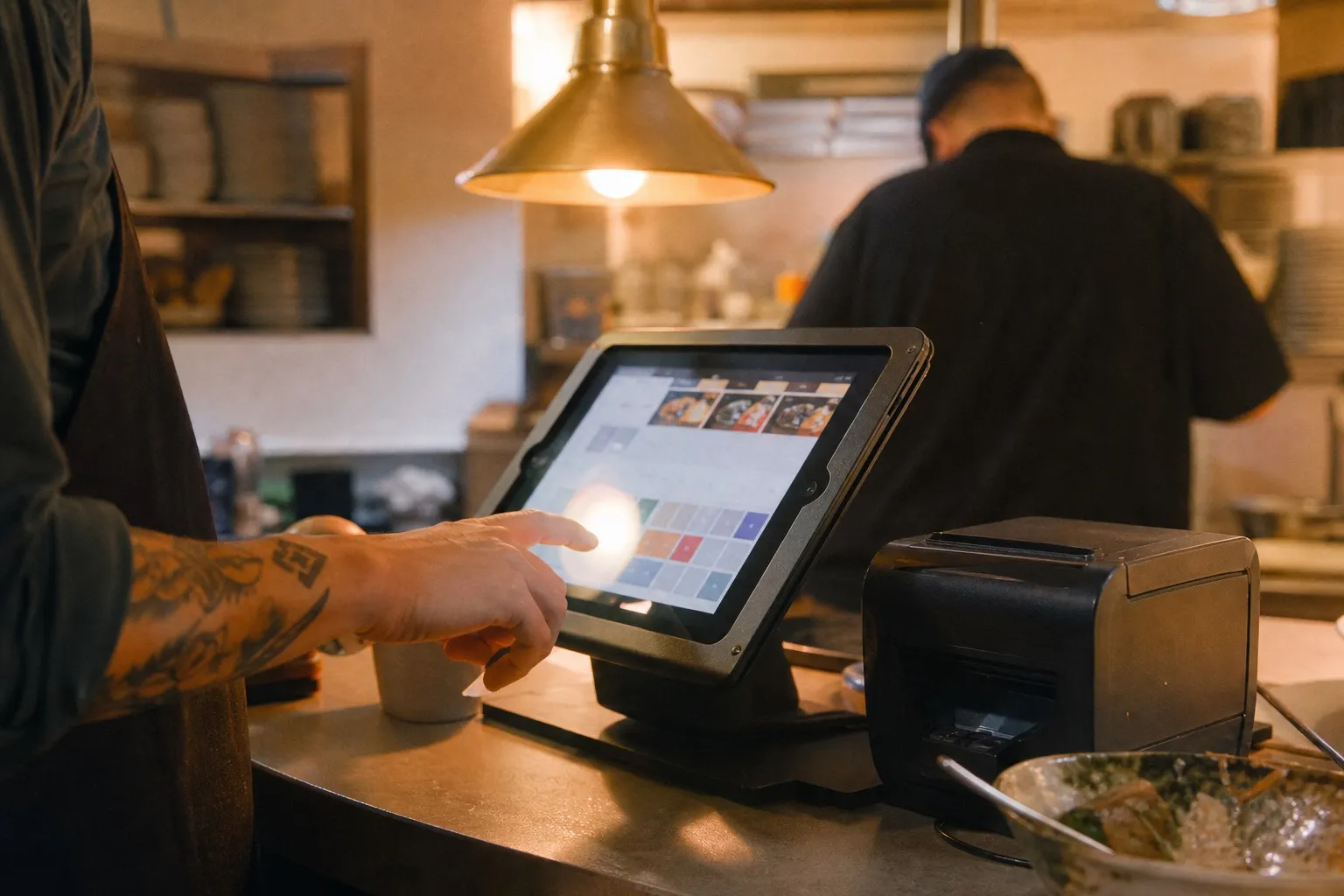
Portillo's 'Restaurant of the Future' Lands in Grapevine, Texas
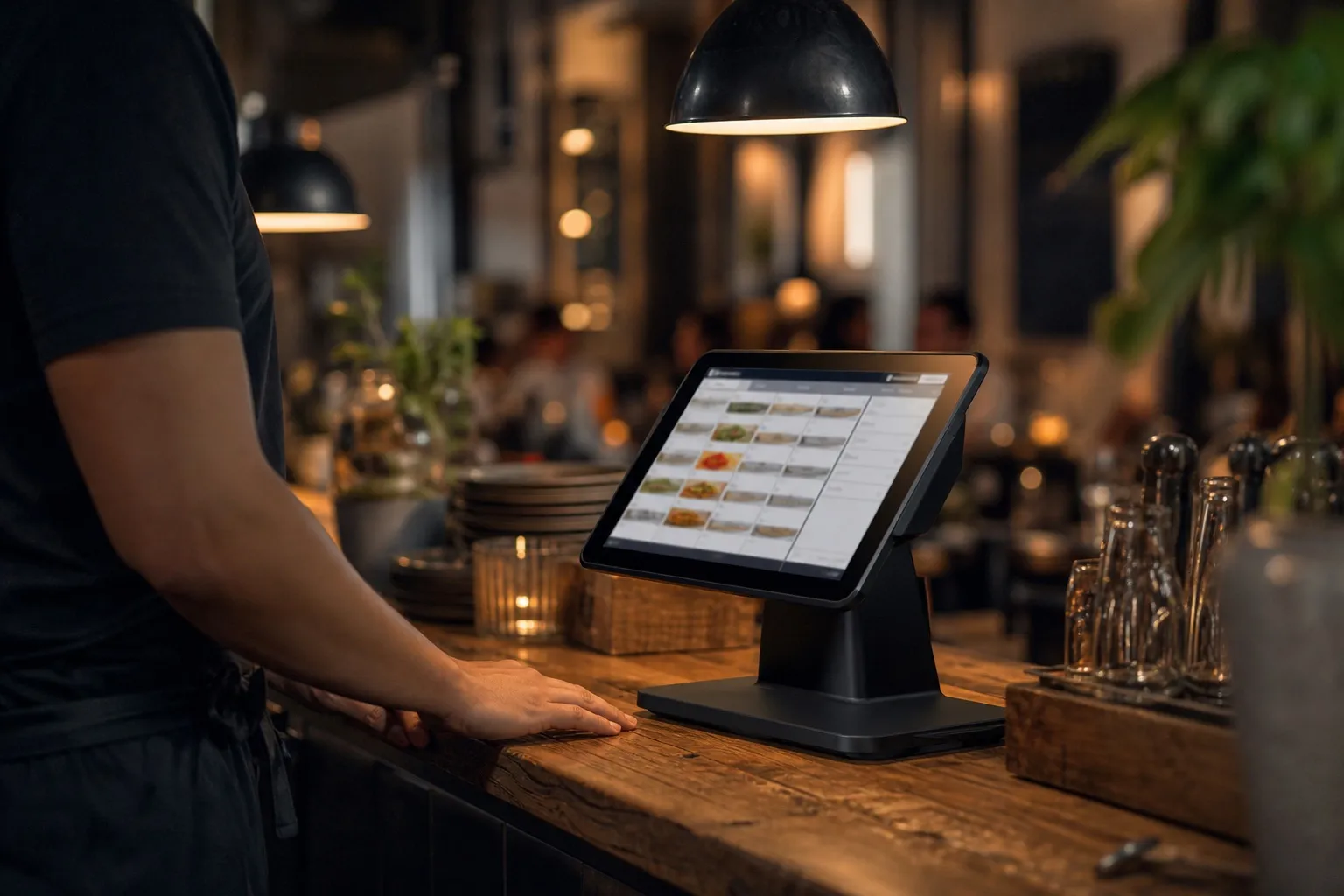
Portillo's smaller-footprint, double-drive-thru, kiosk-heavy 'Restaurant of the Future' reads like a public-company answer to the Burgerbots concept opening in Los Gatos the same month — less robot theatre, more square-foot economics.
I was on a call Wednesday afternoon with an operator client out of Plano — three Tex-Mex units, looking at a fourth pad site off a feeder road — when the Portillo’s press materials hit my inbox. He had it open on his phone before I did. “They’re building a smaller box,” he said. “In Grapevine. Double drive-thru. Read it to me.” So I did, in real time, over a flat white that had gone cold sometime around the second slide of his proforma. By the time we hung up, he had already texted his architect.
That, for me, was the moment. The Restaurant Leadership Conference was wrapping in Phoenix the same week, and the trade press recaps — the Restaurant Technology News week-of-April-20 wrap and the follow-on week-of-April-27 recap — were filled with the usual carousel of AI drive-thru pilots, voice ordering vendors, and loyalty stack reshuffles. Most of it was noise. The Portillo’s announcement was signal. And the reason it was signal is that it landed in the same news cycle as next week’s opening of Burgerbots in Los Gatos — the robotic-burger concept that has been quietly briefing the press at $18 a burger — and the contrast between the two prototypes tells you almost everything you need to know about where the operator dollar is actually going in 2025.
My read: when a public-company chain with mature unit economics builds a prototype that prioritizes drive-thru throughput and labor reduction without robotic novelty, that’s where the operator dollar actually goes. The answer is square footage, not silicon.
What the Grapevine prototype actually does differently
Let’s start with what Portillo’s is publicly saying about the Grapevine site, because the specifics matter and the specifics are restrained. It’s a smaller footprint than the legacy Portillo’s box — which historically has run large by QSR standards, given the dining-room-as-destination heritage. There are double drive-thru lanes. There are self-service kiosks inside. The kitchen has been redesigned around the new mix between off-premise and dine-in. That’s the disclosed list. Portillo’s hasn’t, to my knowledge, released a hard build-cost figure or a target AUV uplift for the prototype, and I’m not going to pretend numbers that haven’t been disclosed.
What’s notable is what’s not on the list. No robotic fry station. No autonomous beverage arm. No conversational-AI drive-thru headline. The drive-thru is just… two lanes, presumably with order-confirmation screens and a thoughtful merge geometry. The kiosks are kiosks. The kitchen redesign is, I’d bet, mostly about line-of-sight, expo positioning, and shrinking the walk between hot-side stations now that more orders are leaving through a window instead of a host stand.
That restraint is the story. Portillo’s is a public company that has to answer to the Street on new-unit returns. They’ve picked Grapevine — a North Texas suburb with strong daypart density, drive-thru-comfortable consumers, and a market they’re trying to crack — to test a box that’s cheaper to build, faster to staff, and engineered around the actual order mix of 2025, not the dining-room mix of 2005.
The Burgerbots comp, and why it lands differently
Now hold that against next week’s Burgerbots opening in Los Gatos, which is set to debut on April 21 at $18 a burger with full-spectacle robotic assembly behind glass. I’ve written elsewhere about what I think Burgerbots actually is — and in a later piece we publish on operator economics, I get more specific about why the rebrand of these “robot-restaurant” concepts keeps missing the operator audience. The short version: Burgerbots is a venue. It sells theatre. The robot is the product, and the burger is the ticket.
That is a completely legitimate concept. It’s just not a unit-economics concept. You cannot scale a $18 burger with a robotic cell in the dining room across 50 franchised pad sites in the I-35 corridor. The math doesn’t work, the labor savings don’t show up where the marketing deck says they do, and the maintenance contract on the robotics line is its own cost center that nobody wants to talk about on quarter-end calls.
Portillo’s is doing the opposite. Same news cycle, same week, same operator press readership. But where Burgerbots is saying “look at the silicon,” Portillo’s is saying “look at the square footage.” A smaller box on a tighter pad with two drive-thru lanes and kiosks costs less to build, costs less to run, and ports cleanly into the franchise development pipeline of any chain that watches it work. My read: that’s the document operators are actually printing out and bringing to their next development committee meeting. The Burgerbots press kit is the document they’re forwarding to the group chat for entertainment.
What this means for franchisees designing the next 50 stores
If you’re a multi-unit operator or a franchisee with development obligations through 2026 and 2027, the Grapevine prototype is worth studying more carefully than any AI-drive-thru pilot you’ve seen this quarter. Here’s what I’d actually be doing this week.
One, get the site plan. Not the press render — the actual plan, or as close as you can get from your broker network. Double drive-thru geometry is hard. The merge point, the menu-board placement, the bypass lane behavior when one side stalls — these are the details that decide whether you get the throughput uplift or just spend the capex and discover you’ve built a single drive-thru with extra paint.
Two, audit your current off-premise mix against your current box. If you’re north of 55% off-premise and you’re still paying rent on a 4,800-square-foot dining room from 2014, the Portillo’s move is a permission slip. Smaller box, more lanes, redesigned line.
Three, treat the kiosk decision as a labor-model decision, not a tech decision. The kiosk doesn’t save you anything if your line still requires the same expo headcount. Portillo’s redesigned the kitchen around the kiosk, not the other way around. That sequencing matters.
My read: the operators who win the next development cycle are the ones who optimize the box, the drive-thru, and the line in one integrated redesign — and who treat AI-drive-thru and robotic-assembly headlines as a 2027 conversation, not a 2025 capex line. Grapevine is the prototype to watch. Los Gatos is the field trip.
— Luca covers restaurant operators. Tips: [email protected].
Featured
More
Browse all 494 posts
The Voice Agent Maturity Curve
mise
·12 min read
The Four Margins of a Restaurant
mise
·14 min read
The AI Premium in Hospitality M&A: Broker Story or Real Number?
the bottom line
·9 min read
What the DoorDash/SevenRooms Deal Actually Buys
the bottom line
·11 min read