Resy's Real Roadmap: Amex Is Building a Dining Operating System, Not a Booking App

Tock is folding into Resy this summer. Toast is wiring its handhelds to the Resy guestbook. The product story under Amex isn't a spin-out — it's vertical integration, and operators should plan accordingly.
I spent yesterday afternoon on the phone with three multi-unit operators who are all on Resy, and not one of them could tell me — with any confidence — what Resy’s product is going to look like in September. That is a roadmap problem. It is also, I think, the most interesting thing happening in this category right now, because the answer is sitting in plain sight in two press releases and a CEO letter that almost nobody outside of the trade has read carefully.
Here is the contrarian take: the most important reservations story of 2026 is not OpenTable’s voice agent, and it is not DoorDash buying SevenRooms. It is Amex quietly assembling a dining operating system underneath the Resy brand. The merger of Tock into Resy this summer, the Toast partnership, and the Platinum-tier benefits stack are not three things — they are one thing, and operators who pretend otherwise will be re-platforming in twenty-four months.
The acquisition no one talks about correctly
American Express acquired Resy in 2019, bought Tock for $400 million in 2024, and is folding the two platforms together this summer. Pablo Rivero — SVP of American Express Global Dining and CEO of Resy and Tock — confirmed the unification in an open letter earlier this year. The combined platform will list more than 25,000 venues, roughly doubling Resy’s pre-merger inventory and adding what Fast Company described as roughly 8,000 bookable venues from Tock, including 1,200 wineries and a goat farm.
That still leaves Resy at less than half of OpenTable’s ~60,000 worldwide. If the scoreboard is venue count, Resy is losing. But the scoreboard isn’t venue count anymore, and that is exactly the bet Amex is making.
What’s actually shipping (and when)
Three things are coming out of the Resy product team in the back half of 2026, and they are the things operators should be planning around:
Tock features inside Resy. When the platforms merge, Resy inherits Tock’s tiered experiences and pre-paid bookings — the deposit-and-ticketed-dinner mechanics that made Tock the platform of choice for tasting-menu rooms. Restaurants currently using Tock’s management software will keep that software; the consumer apps and website at Tock will go dark, but the back-of-house stays. The Resy dining credit will also become redeemable at former Tock venues in 2026, per Amex’s own newsroom.
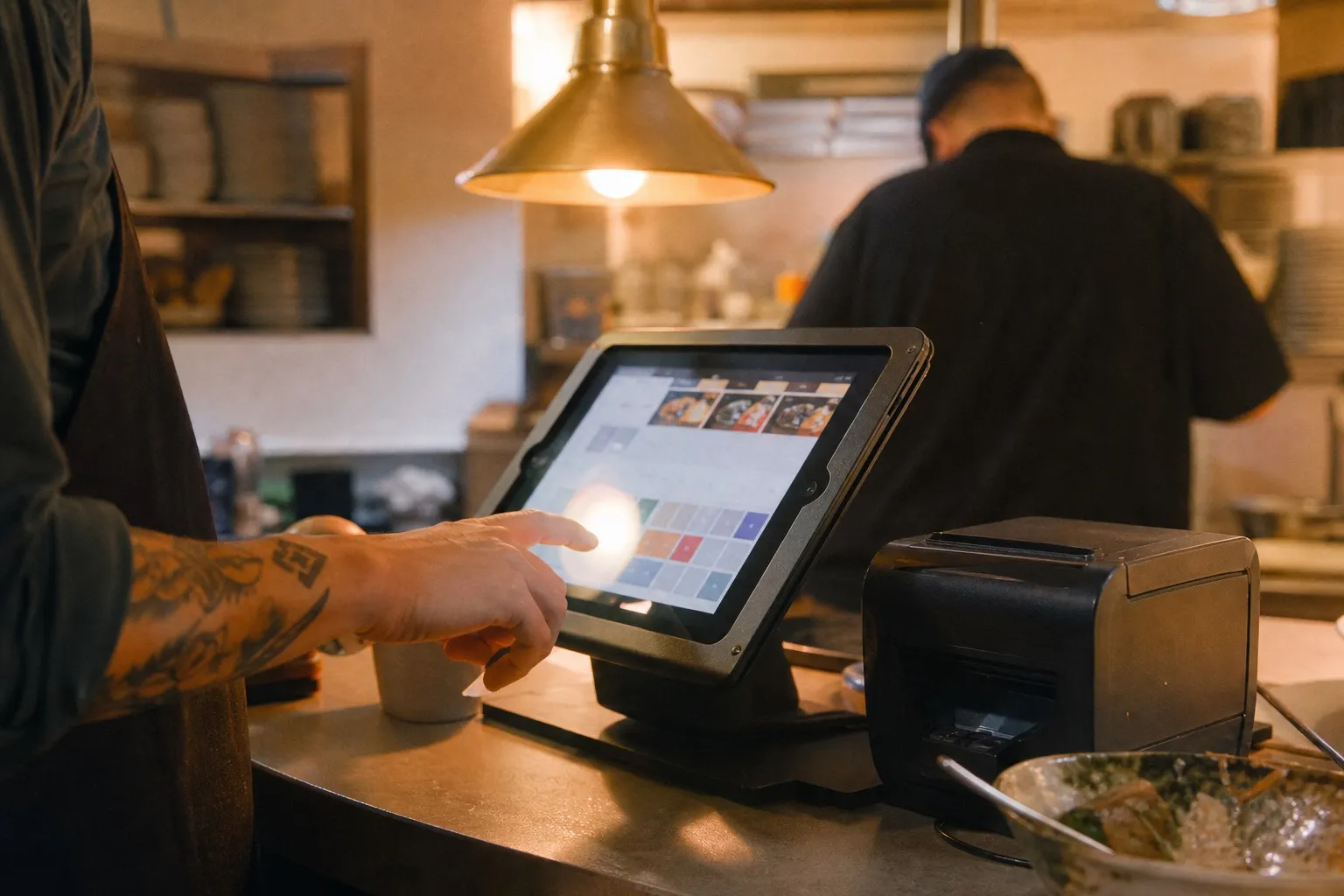
The Toast handover. This is the one to watch. The strategic partnership Amex and Toast announced pushes Resy and Tock guestbook data into Toast’s Digital Chits — meaning a server holding a Toast handheld can see a guest’s wine preferences, birthday flags, and dietary notes mid-service. Per the announcement, the rollout starts in 2026. Pablo Rivero’s CEO letter also names integrations with Loyalist and Fishbowl on the marketing-CRM side, plus what he describes as automated table-turn calculations and service analytics. Translation for operators: the guestbook is no longer a Resy-only artifact. It is becoming a piece of infrastructure that talks to your POS, your loyalty stack, and (eventually) your CRM.
Cardholder-side demand levers. Platinum Nights by Resy gives Platinum cardholders dedicated reservation windows at marquee rooms. The Resy dining credit on Platinum is $400 per year, and Amex disclosed that dining was $100 billion in spend on its cards in 2024 — a number worth pausing on. Amex is not running Resy to sell SaaS seats. It is running Resy to keep $100B of category spend inside its wallet.
The strategic read
Once you see the three moves stacked, the strategy is obvious. Amex is building what Rivero, in his letter, called a stack that “links AI-powered discovery and booking, table and guestbook management, content and curation, ticketing and transactions, check-level point of sale data, and American Express membership.” That is the language of a vertical operating system. It is not the language of a company preparing to spin its asset back out.
I want to be specific about that, because there has been chatter in the trade — including in earlier drafts of this column, which I am correcting — that Amex might separate Resy. There is no public evidence of that. The public evidence points hard the other way: Amex is integrating the platform deeper into card-member benefits and into its dining ecosystem alongside Toast and Tock. Treat the spinout rumor as smoke.
The competitive frame this creates is the one Marcus has been writing about in The Bottom Line: payments-network-led platforms versus DoorDash’s $1.2B SevenRooms acquisition on the delivery-network side, with OpenTable (Booking Holdings) in the middle. The question for operators is no longer “which booking platform has the best UI.” It is “whose ecosystem do you want your covers to live inside.” I wrote about OpenTable’s parallel move with the voice agent yesterday; the through-line is the same.
What’s still vapor
Two caveats, because Resy’s marketing copy is doing a lot of work right now.
The Toast/Resy data flow is real, but the rollout language is “anticipated to start rolling out in 2026”, which is corporate for some of this ships this year, some of it slips. Don’t budget against any single feature until you’ve seen it live on a peer operator’s handheld.
The “AI-powered discovery and booking” claim in Rivero’s letter is not specified at the SKU level. There is no public Resy product page describing an AI agent comparable to what OpenTable shipped. When I asked the three operators, none of them had been briefed on a specific AI feature in pre-release. Take Amex’s AI language as direction, not as a shippable product.
What to do this week
If you’re on Tock today: confirm with your account rep that your tiered-experience and deposit settings will migrate cleanly. Get the migration date in writing.
If you’re on Resy today and not on Toast: the partnership is asymmetric — Toast restaurants get the guestbook-on-handheld benefit first. If your POS contract is up for renewal in 2026, factor that in.
If you’re evaluating Resy versus OpenTable versus SevenRooms (post-DoorDash) right now: do not pick on feature parity. Pick on which payments or delivery network you want adjacency to for the next five years. Marcus’s framework on ecosystem capture is the right lens. Our Four Margins piece on platform take-rates gives you the unit-economics side. The Desk Reviews on each platform are still the right starting point for the operator-experience read.
And if you operate a tasting-menu room that has lived on Tock for the last decade: this summer is going to be uncomfortable. Plan for it.
— Hana files The Pass every weekday morning. Tips: [email protected].
Featured
More
Browse all 494 posts
The Voice Agent Maturity Curve
mise
·12 min read
The Four Margins of a Restaurant
mise
·14 min read
The AI Premium in Hospitality M&A: Broker Story or Real Number?
the bottom line
·9 min read
What the DoorDash/SevenRooms Deal Actually Buys
the bottom line
·11 min read