Stayntouch Adds a Grab-and-Go Kiosk — Self-Service Without the Front Desk
Stayntouch is rolling a Grab-and-Go Kiosk onto the HITEC floor in Indianapolis the week the same vendor's PMS won 2025 Hotel PMS of the Year. The hardware is the tell. The front desk isn't getting smarter — it's being unbundled into purpose-built boxes.
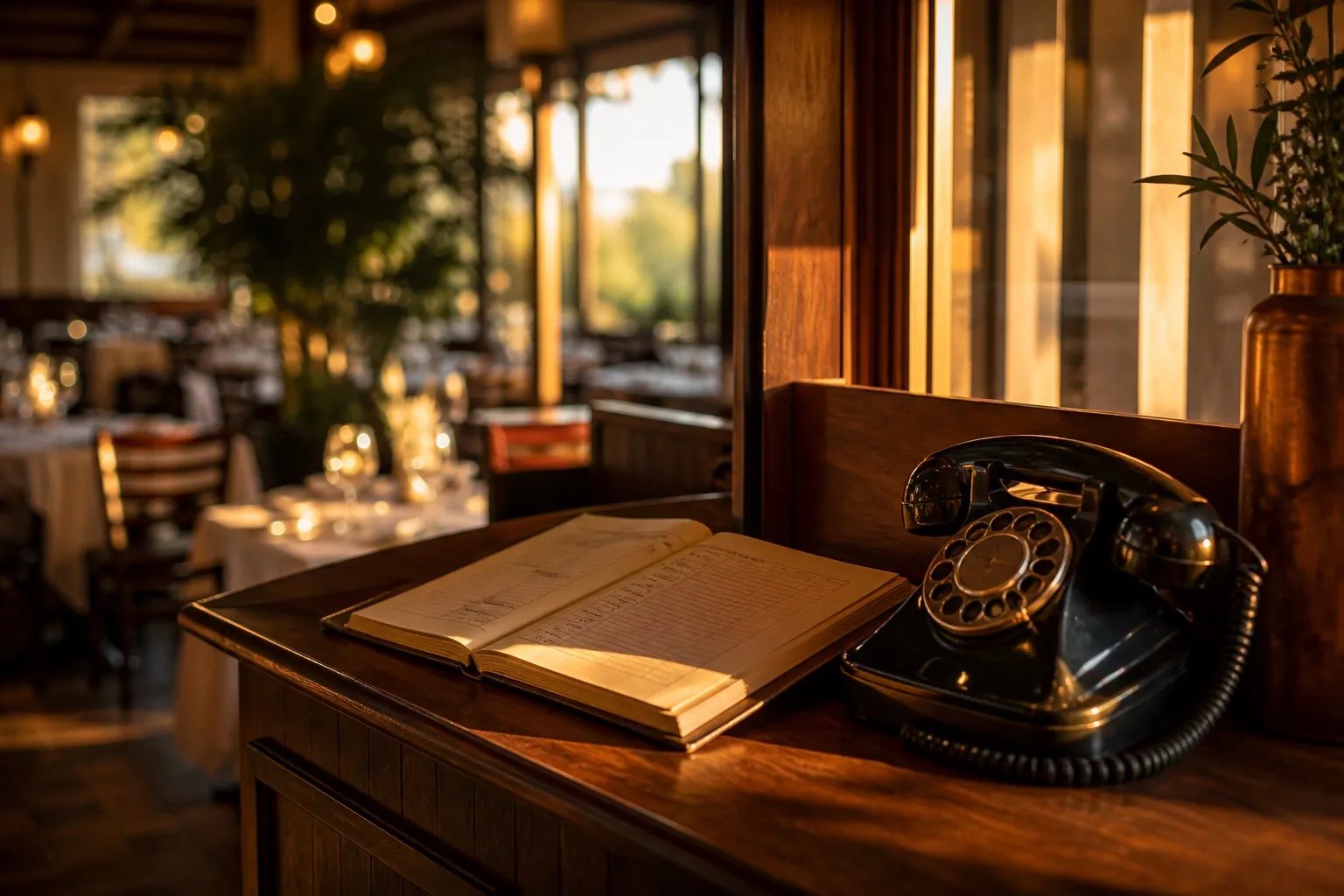
I spent twenty minutes Saturday watching a couple try to check into a downtown hotel through a kiosk that didn’t want to read their ID. They eventually flagged down the agent who’d been standing six feet away the entire time. He keyed it through in forty seconds. Both parties looked annoyed. The kiosk looked expensive.
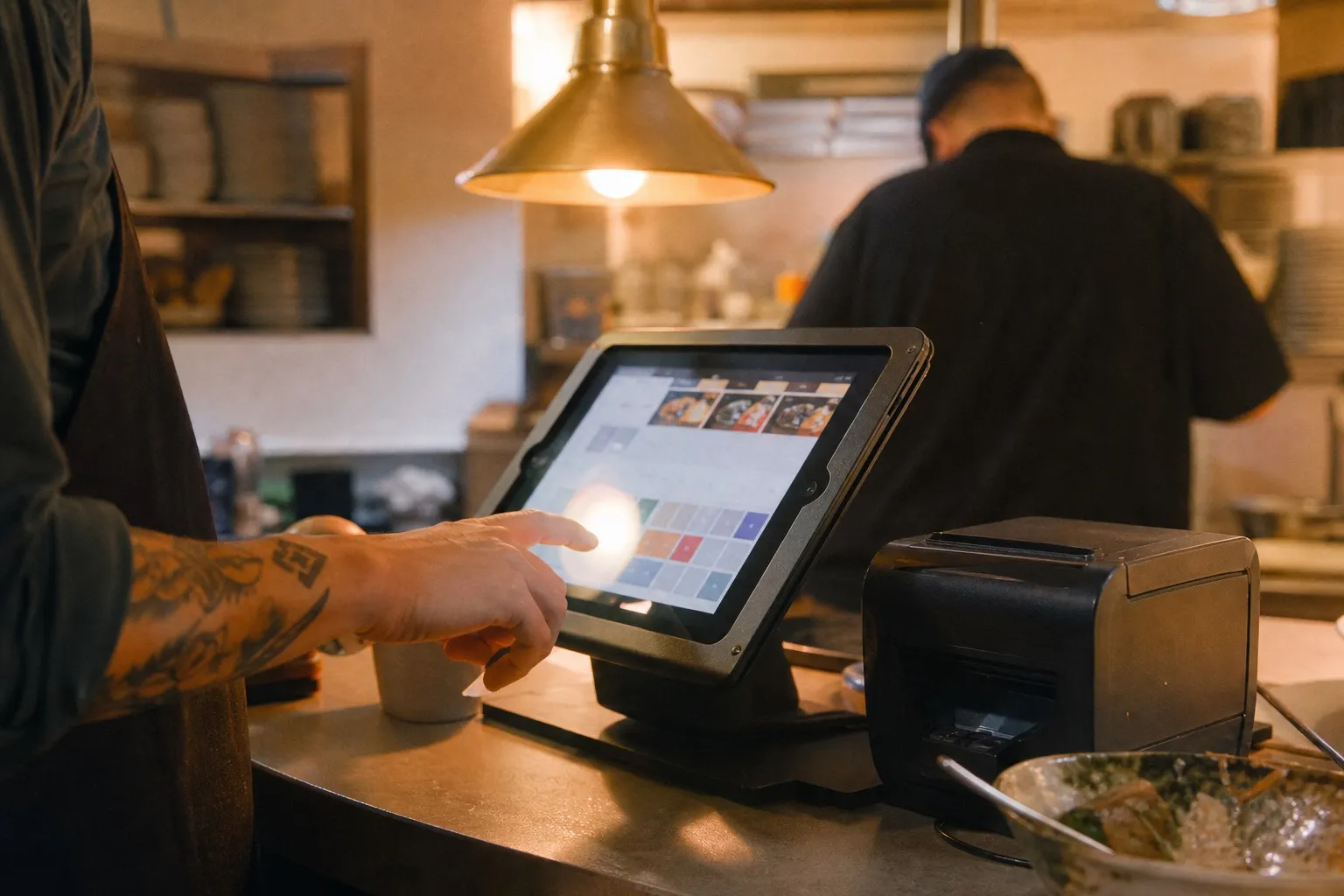
That’s the picture I keep coming back to when I read Stayntouch’s HITEC preview, published Monday on the show’s own newsroom: the vendor is bringing a new Grab-and-Go Kiosk to Booth #821 in Indianapolis this week, alongside the cloud PMS that TravelTech Breakthrough just named 2025 Hotel PMS of the Year. Two products on the stand, but only one of them is a PMS. The other is a piece of lobby furniture that does one thing — let a guest collect a key, or a package, or a forgotten room item, without speaking to a human.
That, more than any award, is the signal. The front desk is being unbundled into purpose-built hardware. The PMS is no longer trying to be the lobby. It’s becoming the back-of-house system that several different lobby boxes report into.
The unbundling is the story, not the kiosk
Self-service check-in kiosks are not new. The interesting move here is the narrowing of what a kiosk is supposed to do. A check-in kiosk is a small front desk in a box: it identifies you, verifies you, takes payment, prints a key. A grab-and-go kiosk is a vending machine with a guest folio attached. The job is smaller and so the failure modes are smaller. The ID scanner that hung up that couple on Saturday isn’t in the loop. Nobody is trying to authenticate; they’re trying to dispense.
This is how hardware categories actually mature in hospitality. The first generation tries to do everything the human did. The second generation gives up on that and ships one box per workflow. Cendyn did it for kiosk check-in. Snaptravel-era startups did it for keyless entry. Now Stayntouch is doing it for the impulse purchase and the late-night pickup — toothbrush, charger, a bottle of water, the umbrella the guest didn’t pack — that has lived behind the front desk for forty years because the front desk was the only thing open.
Priya Rajamani, Stayntouch’s SVP of implementation and support, framed the show appearance in the HITEC release as evidence that the company is “redefining what’s possible in hotel technology.” The marketing copy is the marketing copy. The product decision is the interesting one: build the small box, not the big one.
You can read the Hotel PMS of the Year designation two ways. Generously: the platform underneath is good enough that the vendor has earned the right to layer hardware on top of it. Cynically: the award comes from a trade-press program, the timing is Monday-of-HITEC, and the press loop is the press loop. I’d weight the kiosk decision higher than the award. Awards are won by the team that writes the submission. Hardware is shipped by the team that has to support it.
What an unbundled lobby actually looks like
The front desk circa 2015 ran four workflows on one counter: check-in, check-out, guest service, retail. Each one had a different rhythm and a different failure mode, and bundling them was an accident of building plans, not a product decision.
Pull them apart and you get four different boxes. Two of them — check-in and check-out — are already being eaten by the mobile app and the kiosk. A grab-and-go kiosk eats the retail workflow. The fourth, guest service, is the one I keep watching. It’s the workflow that an agent is genuinely needed for, and it’s also the workflow that any AI assistant the major PMS vendors are shipping will try to absorb next.
Mark this if you bookmark nothing else from the post: the operator economics of an unbundled lobby are different from a consolidated one. A grab-and-go kiosk is a capital expense that replaces a fraction of a shift, not a full FTE. The math only works if the property has already moved the rest of the front-desk workflow elsewhere — into the app, the kiosk, the QR code at the elevator. Otherwise it’s a vending machine with extra steps. The vendors selling these boxes one at a time know this. The bundle is the property’s problem, not the vendor’s, and that asymmetry is going to be the thing that determines whether the boxes actually deploy at scale.
The other thing operators should hold steady on: the regulatory floor for any of this hardware in EU jurisdictions is going to be set by something that doesn’t live on a vendor’s product page. The biometric capture in a self-service flow — face match, ID liveness, the whole stack — sits squarely inside the high-risk classification debate. I’ve laid out the operator-side reading on that in a forthcoming May piece on the EU AI Act; the short version is that the hardware vendors will not solve this for you.
What I’d ask at Booth #821
If you walk Indianapolis this week and you stop at Stayntouch’s stand, the kiosk demo is the easy part. Ask the harder questions.
- What’s in the box that isn’t in the press release? Specifically, the inventory management layer. A grab-and-go kiosk is only as good as the SKU restocking workflow behind it, and that workflow is a labor question.
- What’s the integration story with the PMS? A grab-and-go transaction has to land on the guest folio. The vendor that owns both ends has an obvious advantage; the question is what happens at properties that already run a different PMS.
- What’s the per-property unit economics? If the answer is “it depends on your retail mix,” that’s the honest answer. If the answer is a confident dollar figure, ask twice.
The kiosk is small. The pattern it confirms isn’t. The front desk is being unbundled, and the vendors winning are the ones shipping boxes that do less, not more.
— Samuel hosts the Service podcast for TableTransfers. Tips: [email protected].
Featured
More
Browse all 494 posts
The Voice Agent Maturity Curve
mise
·12 min read
The Four Margins of a Restaurant
mise
·14 min read
The AI Premium in Hospitality M&A: Broker Story or Real Number?
the bottom line
·9 min read
What the DoorDash/SevenRooms Deal Actually Buys
the bottom line
·11 min read