Tariffs, Coffee, and the Holiday Margin Squeeze: What Operators Actually Did in December
Restaurant Dive's Dec 22 tariff piece is the on-the-record evidence: menu prices are up 31% since 2020, tariffs are eating into pasta, seafood, coffee, pork, and beef, and operators got creative in December because they had to — not because they wanted to.
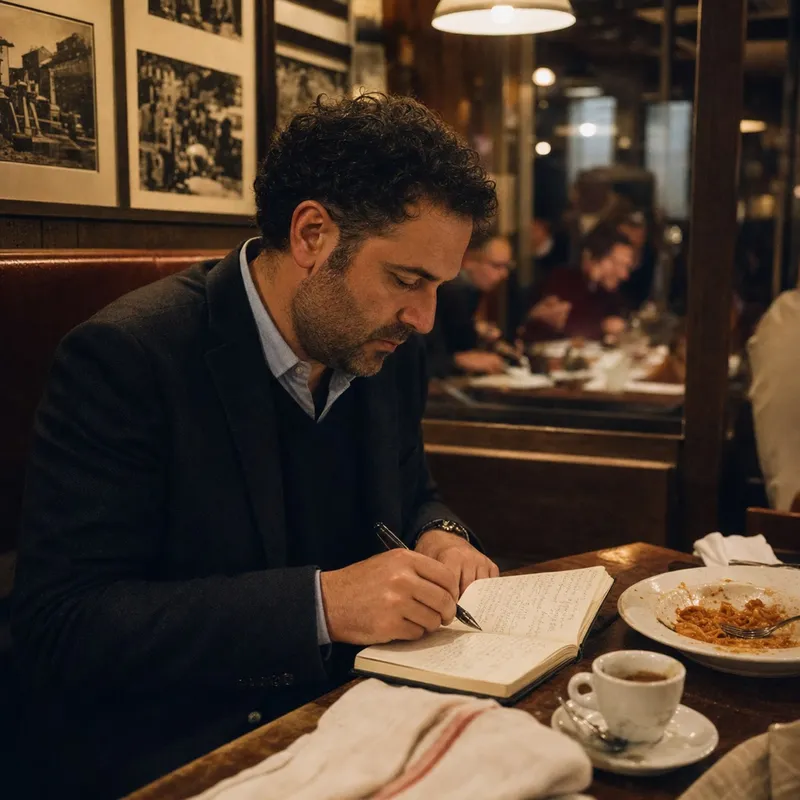
I spent the Saturday before Christmas in a forty-eight-seat Italian room on the west side of a mid-Atlantic city I will not name, watching a chef-owner I have known for six years run a Bolognese station on a tasting menu he priced in October and is serving in December at a margin he would not have signed off on in either month. The pasta came in at a number he flagged twice. The Maine lobster on the alternative protein course was a number he flagged three times. The espresso pour at the end — the part of the check the guest does not look at — was the number he had stopped flagging because he had given up. The check average was holding. The food cost line, he told me as the last four-top left at ten-twenty, was not.
Here is the thesis I want to put down before the calendar flips, and it is the contrarian one: operators got creative in December not because innovation finally arrived but because tariffs and a five-year run of menu inflation forced their hand. The Restaurant Dive piece that dropped this morning is the on-the-record evidence — and the more important read is in what it does not name, which is the menu engineering, portion math, and supplier substitution that happened in the four weeks between Thanksgiving and the print.
The numbers, plainly
Per Restaurant Dive’s Dec 22 tariff-and-holidays piece, the National Restaurant Association’s tracking has menu prices up 31% from 2020 to 2025. That is cumulative, not annualized — but it is the number that frames every conversation operators are having with their guests, because it is the number guests feel even if they cannot cite it. Stephen Zagor at Columbia put the season on the record: “Restaurants heading into the holidays 2025 are not seeing peace, joy, and comfort.” Phil Kafarakis, the IFMA CEO, named the upstream condition in the bluntest sentence quoted this month: “Supply chains are really screwed up again.”
The tariff list the piece consolidates: Italian pasta, imported seafood, coffee from the major origin geographies, pork, beef. None of these is a marginal cost line. Pasta is the spine of casual Italian. Seafood is the alternative-protein hedge that high-end rooms have leaned on for two years. Coffee is the second-highest-margin menu line in the average full-service room after alcohol — and the one operators have historically declined to reprice because the guest reads coffee as commodity. Pork and beef are the steakhouse and the diner respectively.
Read that against Restaurant Dive’s 2026 outlook piece, where Circana’s David Portalatin is on the record forecasting less than 1% traffic growth in 2026 — and you have the squeeze in its plainest form. Costs up, traffic flat, and the pricing lever already pulled hard enough that the NRA’s own number is at 31%.
What operators actually did
This is the interpretation section. The Dec 22 piece names the macro; the micro is what I have been watching in service for three weeks.
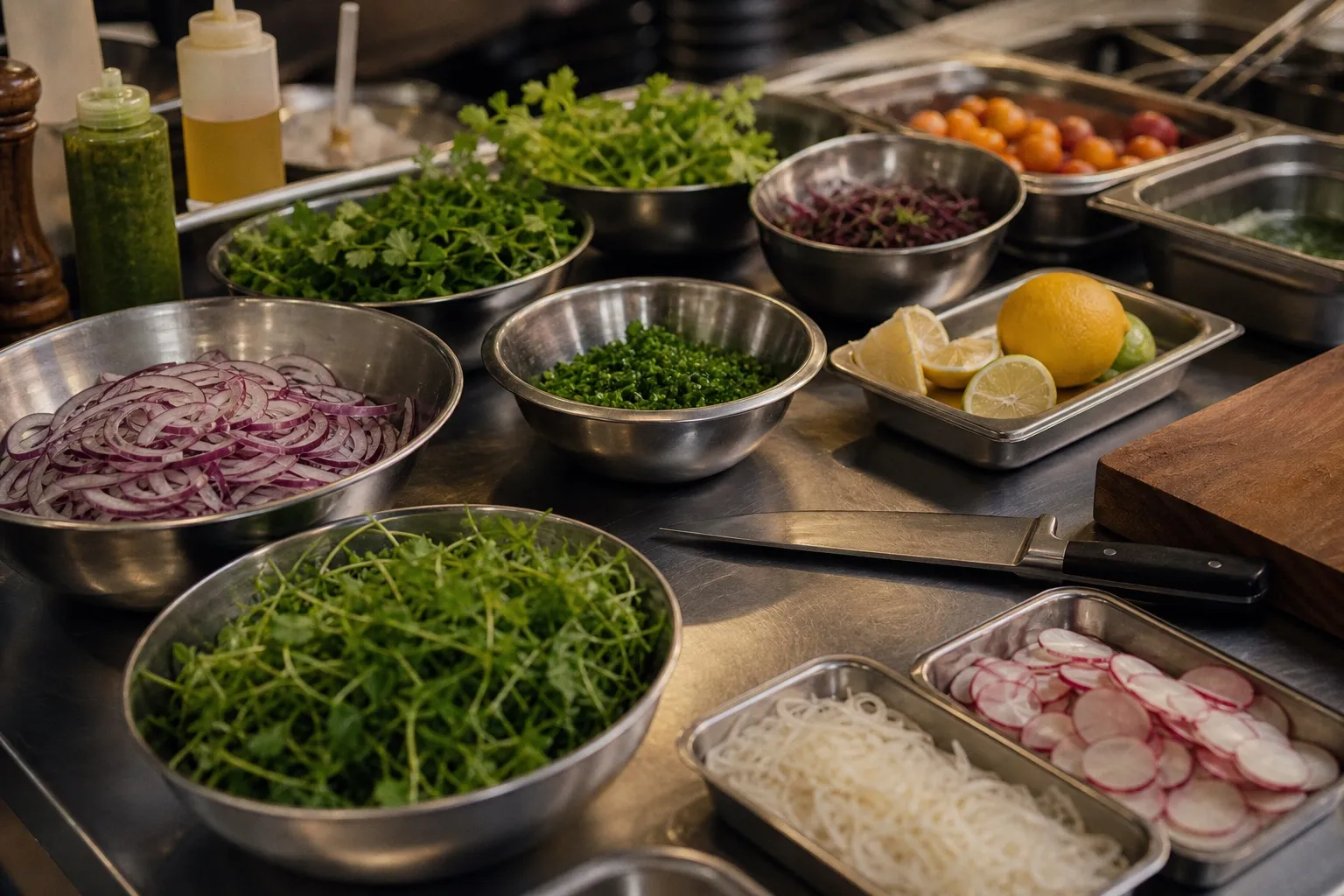
First, portion re-architecture without a renamed menu. The Bolognese I ate Saturday was sixty grams lighter than the version I ate in March. The plate looked the same. The garnish was different — a wider sauce smear, a heavier herb finish, a single shaving of pecorino where there had been three. The menu copy was unchanged. This is the lever operators reach for first because it is invisible to the guest and reversible at the line in twenty seconds. Mark this as my read, not the chef’s: I asked, and he did not confirm a gram count.
Second, supplier substitution on the protein hedge. A chef in a different room — bistro format, forty-eight covers, also unnamed — pulled imported branzino off the Tuesday-through-Thursday menu in mid-November and replaced it with a domestic farm-raised trout he was already buying for staff family meal. The trout works on the plate. It is not subject to the import line on the invoice. He repriced the dish at the same number and the guest count on that course did not move.
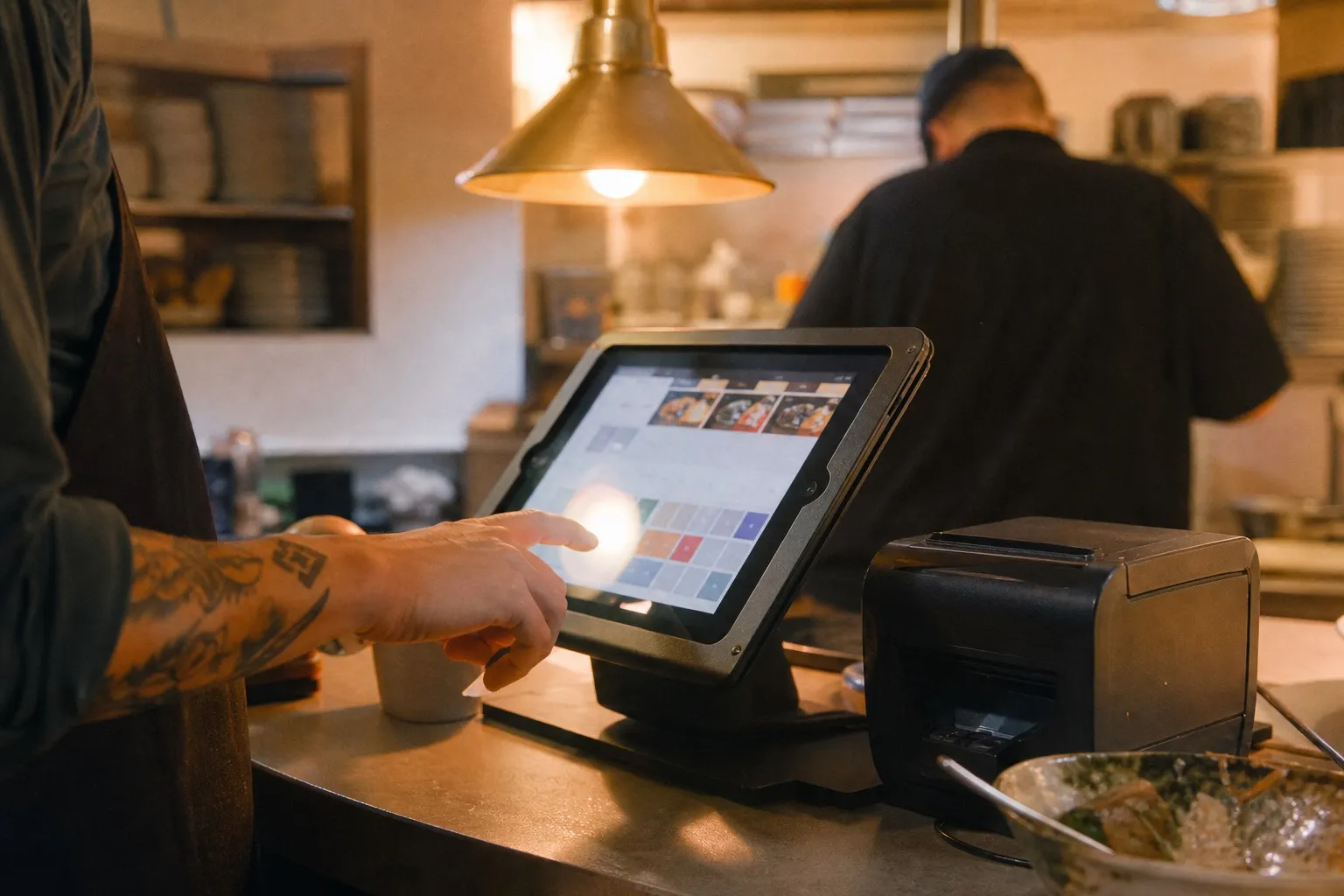
Third — most consequential — operators stopped pretending they could absorb the coffee line. Two of four operators I called this week have moved their espresso pour to a per-shot model that breaks out the third shot as a separate charge on the check. The menu does not name it as a price increase. The POS handles it. Dessert attach rate, all four told me, is unchanged.
What none of this is, is technology-led. There is no AI-360 forecasting tool in the room I sat in Saturday. The substitutions happened because the chef did the math on a yellow pad, walked the walk-in with his sous, and changed three SKUs on the prep list. The supply-chain AI question — the one Sysco is selling and the one I will be writing about in a forthcoming May piece on supply chain AI — is the next-year story. The December story is the chef and the pad.
What the squeeze tells you
If you operate, the lesson is that the December 2025 holiday margin was earned at the line, not on the menu sheet. The piece on the record names tariffs as the proximate cause and the 31% cumulative menu inflation as the trailing condition. Both are correct. What the trade press will not write because nobody will go on the record is that the holiday season was held together by sixty-gram portion adjustments, trout-for-branzino substitutions, and a per-shot espresso line in the POS — all executed by chef-owners who knew the alternative was repricing the menu a fourth time in eighteen months and watching the guest count come off.
Creativity by necessity is still creativity. But it does not get named in an outlook deck.
— Luca covers restaurants for TableTransfers. Tips: [email protected].
Featured
More
Browse all 494 posts
The Voice Agent Maturity Curve
mise
·12 min read
The Four Margins of a Restaurant
mise
·14 min read
The AI Premium in Hospitality M&A: Broker Story or Real Number?
the bottom line
·9 min read
What the DoorDash/SevenRooms Deal Actually Buys
the bottom line
·11 min read