The share-of-stomach piece: c-stores and grocery are coming for the lunch daypart
While the restaurant trades obsess over AI cost-takeout, Sheetz, Wawa, and 7-Eleven are quietly building tech-enabled prepared-food programs that target the exact same lunch and dinner occasions full-service and QSR are trying to defend. The Restaurant Dive coverage this week names it. Most of the segment isn't ready.
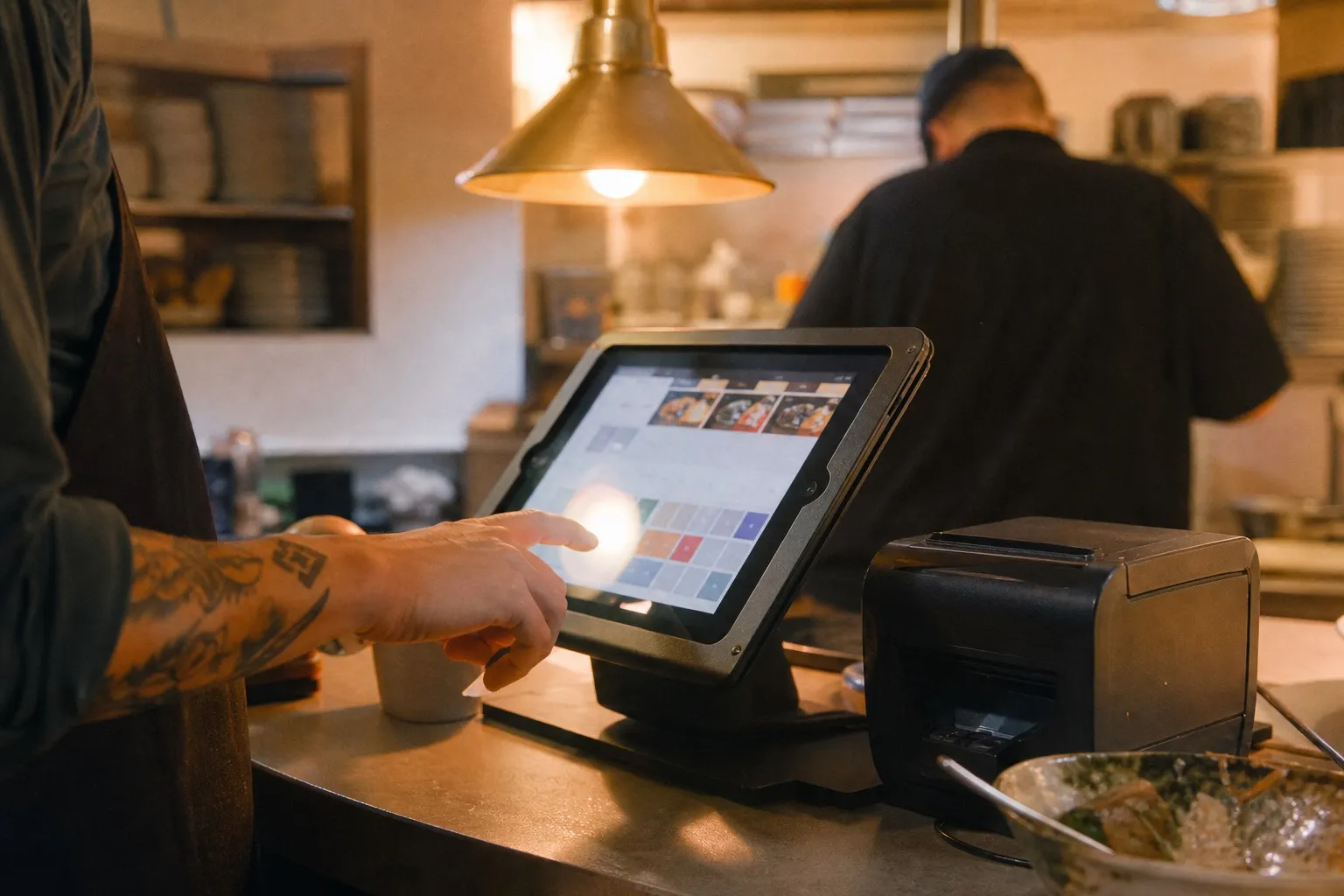
I am writing this from a Sheetz off I-78, two hours east of the office, parked because the line at the touchscreen was long enough to be interesting. It was 12:40 on a Tuesday. The MTO queue was eight deep. The customers in it were not gas customers. They had walked in from the parking lot, ignored the chips wall, ordered burritos and sandwiches on the kiosk, and stood reading their phones while the kitchen built the orders. The store was busier on prepared food at lunch than the Panera I had stopped at on the way out of town an hour earlier. That is the piece of this year’s restaurant story most of the segment is not writing about.
The contrarian read I want on the record before the next earnings cycle: AI cost-takeout is the supply-side conversation everyone in the trade is having, and meanwhile the demand-side share threat is being executed in public by c-stores and grocery prepared-food, and almost no restaurant operator has framed the threat correctly on a call yet. Sheetz, Wawa, and 7-Eleven are building tech-enabled meal programs — kiosk ordering, app-based pickup, loyalty integration, menu engineering off POS data — that target lunch and early-dinner occasions priced under fifteen dollars. That is the McDonald’s value-menu customer, the Chipotle bowl customer, and the Panera lunch customer all at once. The Restaurant Dive coverage running this week names the share threat plainly. The chains being threatened mostly have not.
What the c-stores actually built
The thing to understand about Sheetz’s MTO program is that it is not a deli counter with a touchscreen bolted on. It is a fully integrated kitchen-display-and-order-routing stack with menu engineering against real-time POS data, the same architecture a QSR chain runs. Wawa’s hot-food program is structurally similar; 7-Eleven’s prepared-food rebuild announced last quarter leans on its loyalty file and store-level demand data to drive menu adds and price tests on a cycle measured in weeks, not quarters. These are technology-enabled food businesses inside a retail footprint. The fuel is the side hustle.
The economics are not subtle. A Sheetz store doing meaningful prepared-food volume at lunch is pulling guests on a value-and-speed proposition that lines up directly with the QSR average check after the last three years of menu inflation. The customer is doing the comparison the operator hopes they will not. A $9 MTO sandwich plus a fountain drink reads cleaner against a $13 fast-casual bowl than against the burrito they used to buy, and the c-store side has been investing in the kitchen tech and the ordering UX while the restaurant side has been investing in agentic-AI pilots and forecasting tools.
Mark interpretation. The reason this matters more in 2026 than in any prior year is that the share threat is now showing up in the print on the restaurant side, and the explanation operators are reaching for — weather, consumer confidence, the low-income consumer — does not name the c-store and grocery prepared-food piece at all. McDonald’s Q4 2025 call commentary from Ian Borden and Chris Kempczinski framed the soft traffic on low-income pressure. That framing is true and incomplete. Low-income consumer pressure is exactly the demographic the c-store prepared-food program is converting fastest.
Why the demand side and the supply side rhyme
The supply-side piece of 2026 — the AI cost-takeout story this publication has covered through the Chipotle AI stack roadmap and the Four Margins thesis — is a real margin story for the operators executing it. Chipotle’s Q4 2025 disclosure of a comp-inflection return on the back of its loyalty and digital mix is the cleanest case study the segment has. But supply-side margin work does not defend share against a competitor selling a comparable meal at a lower price out of a building the customer was already going to.
The demand-side counterpart is the conversation almost no operator is having on the record. Paytronix’s loyalty read covered here on April 8 framed the engagement-versus-discount arbitrage as the 2026 loyalty playbook, and that is right as far as it goes. It is also a within-segment frame. The c-store and grocery threat is a cross-segment frame, and the loyalty platforms have not built the comparison set for it yet.
The Cracker Barrel Q2 print covered March 5 is the other reference point. Cracker Barrel’s tariff line was the unfixable cost, and the traffic line was the unfixable demand. The c-store and grocery prepared-food threat is the demand line written down in a different brand’s P&L. The pitch deck does not have a slide for this. It should.
— Luca covers restaurants for TableTransfers. Tips: [email protected].
Featured
More
Browse all 494 posts
The Voice Agent Maturity Curve
mise
·12 min read
The Four Margins of a Restaurant
mise
·14 min read
The AI Premium in Hospitality M&A: Broker Story or Real Number?
the bottom line
·9 min read
What the DoorDash/SevenRooms Deal Actually Buys
the bottom line
·11 min read