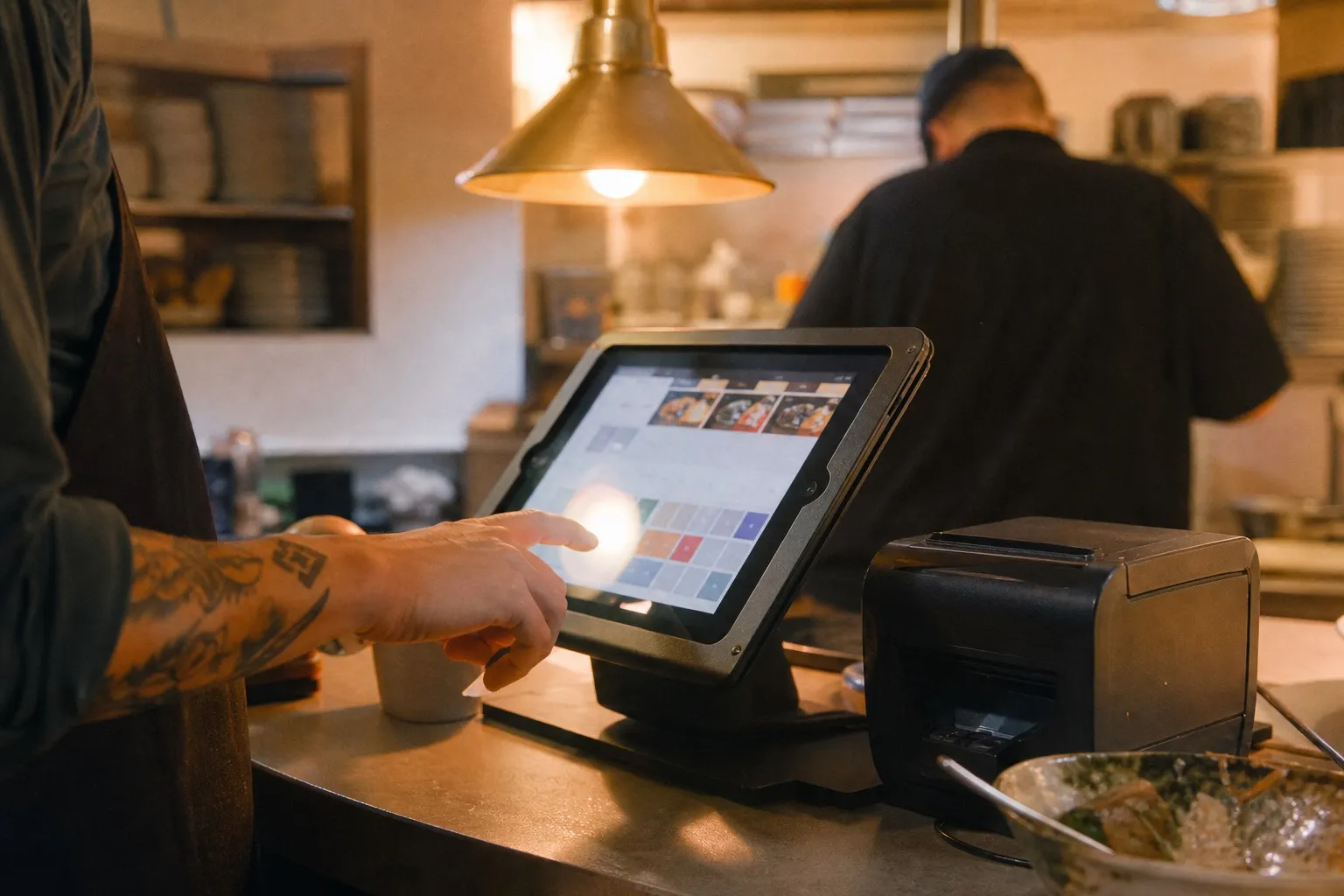
Wingstop loyalty refresh: more free items, less per-redemption friction
Wingstop shipped its rewards overhaul on Monday, three weeks ahead of the Q1 print, and the mechanics tell the story the press release won't. Read against Sweetgreen's pricing rework and Chipotle's loyalty mix, loyalty is the only fast-casual lever showing pricing power in the back half of an underwhelming traffic year.
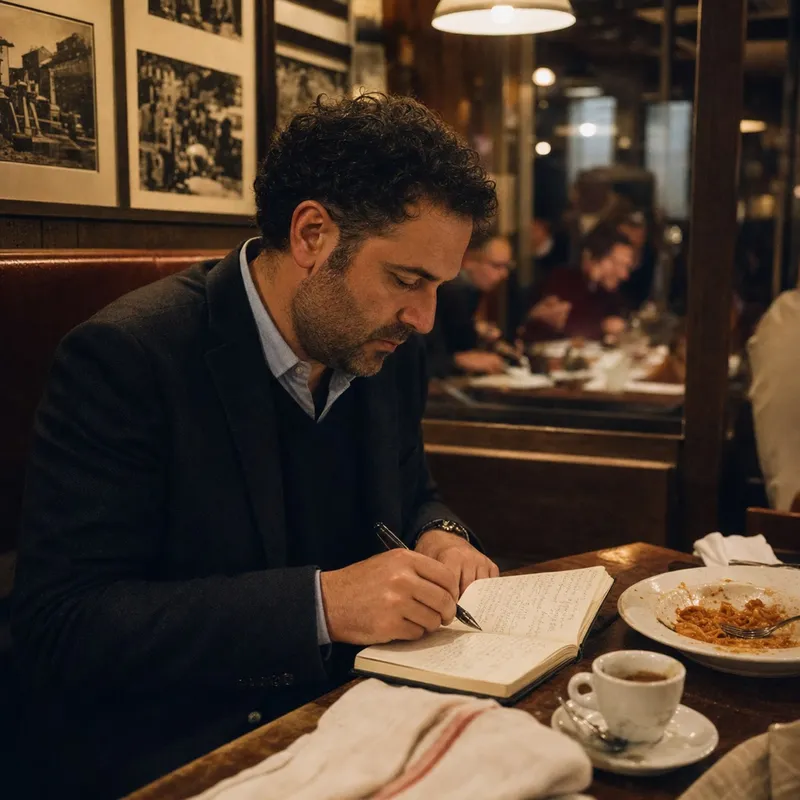
I was halfway through a ten-piece boneless at the Wingstop on Sunset when the loyalty refresh hit my feed, which is the kind of timing only a publicist on a Monday lunch shift could engineer. The store had a new tabletop card pushing the program. The app prompt had changed. The cashier asked twice if I had enrolled, which is not a thing the cashier asked me a month ago. The in-store push is real, and it is the part of the rollout the press release will undersell.
The contrarian read I want to put down before the trade press files this as a routine refresh: Wingstop is not patching a loyalty program. It is buying a Q1 narrative. The chain has been telegraphing visit-frequency weakness for two quarters. The refresh ships three weeks before the Q1 print on a calendar that is not coincidence. And the mechanics — more free items in the catalog, lower redemption friction per visit, an aggressive in-store enrollment push — are the exact three levers an operator pulls when the problem is not new-customer acquisition but existing-customer cadence.
What changed, and what it says about the diagnosis
The headline mechanics are straightforward. The redemption catalog widened. The per-redemption point thresholds came down on the items the chain wants moving. And the enrollment surface moved from app-only and online-order to the physical counter — which is the channel that captures the segment of the customer base least likely to have opted in two years ago when the program first scaled.
Read that as a diagnosis. A chain with a new-customer problem does not lean on the in-store push, because the in-store traffic is already converted on the visit-in-progress; the lift comes from getting that customer back. A chain with a frequency problem does exactly what Wingstop did Monday: lower the threshold on the rewards that drive a second visit, widen the menu of things you can redeem for, and harvest the enrollment of the lapsed-or-lukewarm regular who has been ordering without a loyalty ID for the last eighteen months. That is the play. The press release will call it engagement; the operating reality is frequency recovery ahead of an earnings call.
The Sweetgreen-and-Chipotle frame
The reason Monday’s refresh matters more than it would in a vacuum is the company it keeps. Sweetgreen’s pricing redesign — the “Sweet Growth Transformation Plan” Jonathan Neman walked through after the Q4 print — was an admission that the chain’s traffic losses were a pricing-architecture problem the menu structure could no longer absorb. Chipotle’s Q4 2025 disclosure, separately, put the loyalty mix at a share of sales that would have been a category-defining number two years ago and is now the segment benchmark. Sweetgreen rebuilt the pricing. Chipotle is harvesting the loyalty. Wingstop, on Monday, is doing the loyalty version of what Sweetgreen did to the price tag.
The unifying thesis is the one I keep circling back to: in a year where same-store traffic is the hardest line on the print to defend, loyalty mechanics are the only fast-casual lever showing pricing power. Discount blasts move a number for a quarter and tax margin permanently. Pricing redesigns move a number for a year and require a brand-trust budget the mid-tier does not have. Personalized loyalty — the template the Paytronix read laid out last week — moves the number and pays for itself. Wingstop’s refresh is the third segment leader in three months aligning to that template. Mark it.
The Q1 setup and the calendar question
The Wingstop Q1 setup I walked through on Friday flagged the visit-frequency weakness as the line the print would turn on, and the refresh dropping today is the management response telegraphed early. The question for analysts on the call is whether the program changes had any measurable effect in the last two weeks of the quarter — which is short enough that the answer is almost certainly no, but the framing will matter. If the company leans on the refresh as a forward-looking lever rather than a Q1 contributor, the print is being managed honestly. If the script tries to pull early-April enrollment numbers into the Q1 narrative, the company is asking for a question on the call I would happily ask.
Mark interpretation here. The reason the refresh ships three weeks before the print and not three weeks after is that management wants the program changes in the analyst conversation before the same-store-sales line lands. That is sequencing, not coincidence. The Chipotle AI stack piece queued for May will map how a chain at the other end of the loyalty maturity curve uses the same surface to do something structurally different; the Four Margins piece coming next week will pull the unit-economics thread for operators trying to copy the leaders without the leaders’ infrastructure.
The refresh is a tell. The Q1 print, in three weeks, is the read.
— Luca covers restaurants for TableTransfers. Tips: [email protected].
Featured
More
Browse all 494 posts
The Voice Agent Maturity Curve
mise
·12 min read
The Four Margins of a Restaurant
mise
·14 min read
The AI Premium in Hospitality M&A: Broker Story or Real Number?
the bottom line
·9 min read
What the DoorDash/SevenRooms Deal Actually Buys
the bottom line
·11 min read