WTF Is Happening With TGI Fridays UK? Five Months After a Sale, Interpath Is on the Phone
Sugarloaf bought TGI Fridays UK out of distress in October. By December the new owner has Interpath exploring strategic options across 49 sites. A five-month flip that tells you everything about UK casual-dining math right now.
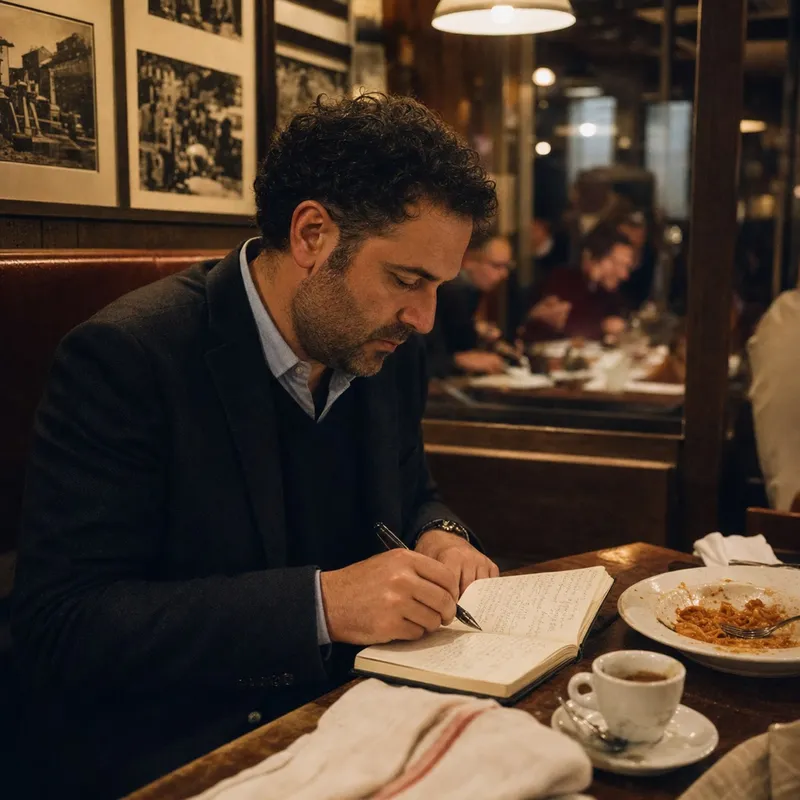
I was sitting in a half-full TGI Fridays off the A34 in October — the week the Sugarloaf deal closed — listening to a regional manager tell a server, with genuine warmth, that “the new lot understand casual dining, properly understand it, you’ll see.” Five months later I’m reading that Interpath has been engaged to “explore strategic options” across the 49-site UK estate. That regional manager probably hasn’t seen anything yet. None of us have. But five months from a rescue sale to advisors-on-the-phone is the kind of math that should make every casual-dining operator in this country put down their coffee.
The headline thesis: Sugarloaf’s October 2025 acquisition of TGI Fridays UK from Breal Capital and Calveton has unwound — or is unwinding — faster than any private-equity-style restaurant flip I can remember reporting on. That’s not a moral judgement on Sugarloaf. It’s a judgement on the underlying P&L of mid-market American-themed casual dining in a country where business rates are about to roughly double and disposable income is being eaten alive by mortgage resets. The asset wasn’t fixable in five months. It may not be fixable at all in its current shape.
A flip this fast isn’t a strategy, it’s a signal
Per Restaurant Online’s report this morning, Sugarloaf has brought in Interpath — the restructuring advisory firm spun out of KPMG — to look at the TGI Fridays UK estate of 49 sites. The language is carefully chosen: “exploring strategic options.” In restructuring vocabulary that’s a wide door. It covers a CVA, a pre-pack, a sale of viable sites, a wind-down of the worst ten or twelve, or a full second sale to a different buyer who thinks they see something Sugarloaf didn’t. I’d flag honestly that this is a single-source story today — Restaurant Online has the scoop and I haven’t yet seen Sugarloaf or Interpath comment on the record. Treat the specifics as preliminary; treat the trajectory as confirmed.
What’s not preliminary is the macro. UKHospitality has been warning that business-rates bills across the sector are set to nearly double by 2029. For an estate of 49 high-street and retail-park casual-dining boxes, that isn’t a line-item to negotiate around — it’s a fundamental change in the cost of being open. The unit economics that made TGI Fridays UK a reasonable acquisition target in October don’t survive that curve. Sugarloaf either ran the numbers and decided to test their hand at restructuring before sinking refurb capex into sites that won’t earn it back, or they ran the numbers fresh in November and got a different answer than they got in September. Either reading is brutal.
The casual-dining math nobody wants to say out loud
Here’s the part I keep coming back to. TGI Fridays UK isn’t a broken brand. The sites I’ve walked through over the past year are tired but functional, the menu still does what it’s meant to do, the loyalty cohort over 40 is real and spends real money on cocktails. It’s not Frankie & Benny’s circa 2019. And yet the asset has now changed hands twice in roughly fifteen months — Breal & Calveton out of administration in 2024, Sugarloaf from Breal & Calveton in October 2025, and now potentially again — without anyone managing to make the cost base sit underneath the revenue line.
That’s not a TGI story. That’s an everything story. It’s the same gravity pulling at Frankie & Benny’s, at Bella Italia, at every mid-tier high-street estate. Read this alongside today’s UK-closures macro piece and the pattern is hard to miss: the survivable size of a UK casual-dining group right now might be quite a bit smaller than 49 sites. Forty-nine sites means forty-nine landlords, forty-nine rates bills, forty-nine general managers and the head-office headcount to support them. Twenty-five well-located sites — the trade-down everyone’s quietly modelling — is a different business with a different chance.
My read: Interpath isn’t there to find a buyer for all 49. They’re there to find a buyer, or buyers, for the 25 that work. The rest is a conversation with landlords. Five months after a rescue sale, that’s a hard sentence to type. But the math has stopped pretending.
— Luca covers restaurants for TableTransfers. Tips: [email protected].
Featured
More
Browse all 494 posts
The Voice Agent Maturity Curve
mise
·12 min read
The Four Margins of a Restaurant
mise
·14 min read
The AI Premium in Hospitality M&A: Broker Story or Real Number?
the bottom line
·9 min read
What the DoorDash/SevenRooms Deal Actually Buys
the bottom line
·11 min read