Oracle's OPERA Cloud Hits 3,500 Properties — and Omni Signs Up


Oracle landed HITEC week with an Omni Hotels marquee win and a 31% YoY OPERA Cloud Central growth claim. The pitch is no longer migration — it is embedded AI workflows, and operators are starting to buy that frame.
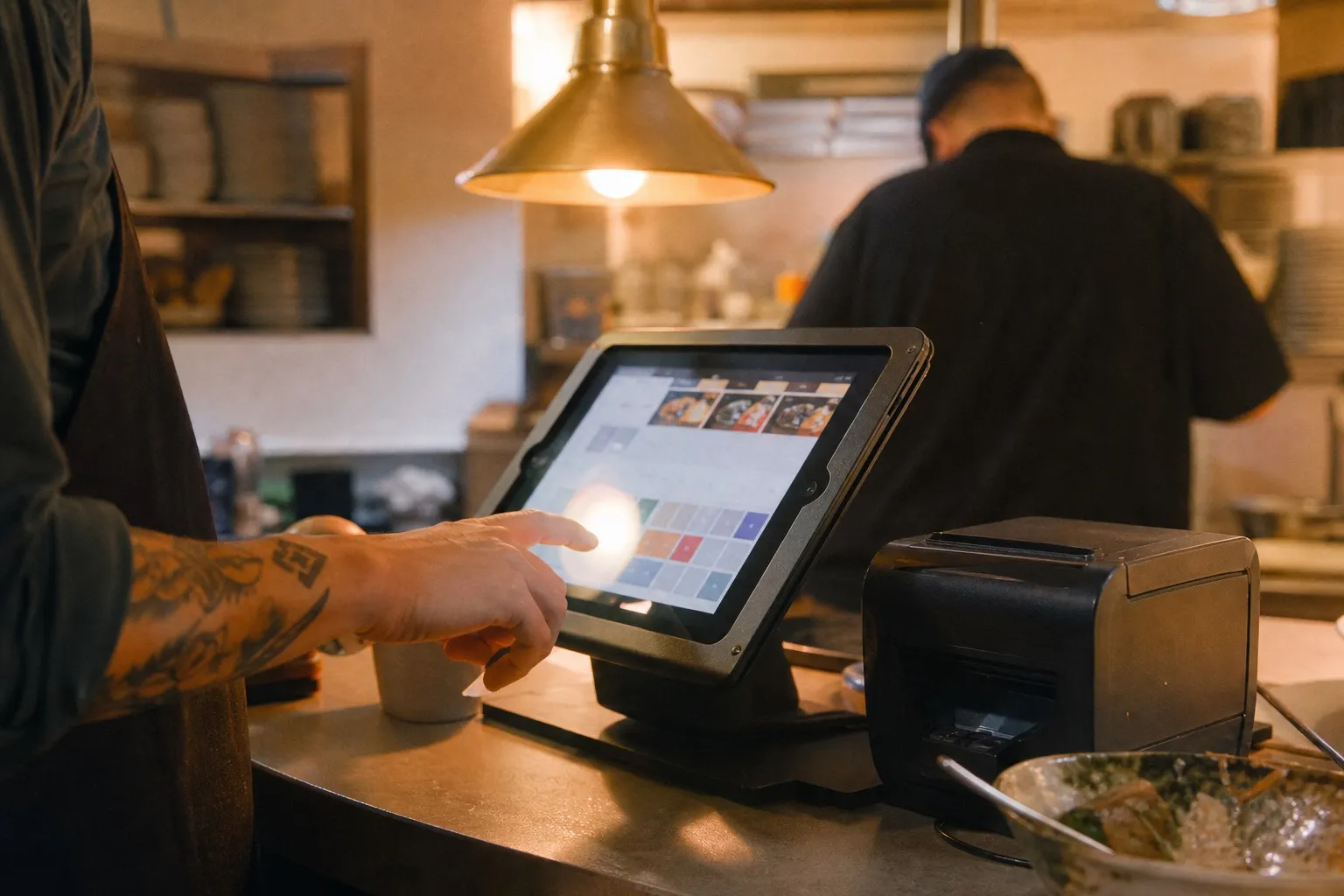
I was standing behind a front desk in Dallas this week — the kind with two monitors, a label printer that has not been cleaned since 2019, and a manager who keeps a paper notebook because he does not trust the override audit trail in his PMS. He toggled to OPERA Cloud, pulled up a folio, and muttered the line I have been hearing from operators all spring: “The cloud part is fine. I want the part where it does the work for me.” Twenty-four hours later, Oracle announced that Omni Hotels & Resorts had signed on for OPERA Cloud Central and Simphony POS across more than 50 properties in North America — and the pitch was no longer about cloud migration at all. It was about embedded AI workflows. That is the shift worth marking.
The Omni deal is the tell
For a decade, the OPERA story has been a migration story: get off on-prem, get to OPERA Cloud, retire the server in the back office. That message lands fine with independents and select-service brands, but it has never been the bar for a Tier 1 luxury and upper-upscale operator like Omni — a 50-plus property portfolio with conference-heavy properties, deep group business, and the kind of complex rate logic that historically gave on-prem its longest leash.
So watching Omni commit to OPERA Cloud Central as the central reservation system and Simphony as the POS is not a routine win. It is Oracle planting a flag in exactly the segment where Agilysys, Maestro, and the SaaS-native challengers have been most aggressive. And the framing in Oracle’s announcement is telling: Laura Calin, Oracle Hospitality’s SVP, leans almost entirely on “personalized experiences” and “data-driven decisions” — the language of AI workflows on top of a PMS, not the language of a hosting upgrade.
That reframe is the one I have been waiting to see articulated cleanly. For two years, every PMS vendor has been bolting “AI” onto the marketing site. Oracle is now doing it from the announcement headline down. Whether the product matches the pitch is a different question — but the pitch itself is the standard now, and competitors who are still selling “cloud” as the headline benefit are going to look a generation behind by the end of the year.
The 31% number and what to do with it
Oracle is also expected to publish a broader hospitality update later this week — anticipated figures making the rounds in pre-HITEC briefings include OPERA Cloud Central up 31% year-over-year and Oracle Payments gross processed volume up roughly 1,000%. I have not seen the full release yet, so I am holding off on treating those as confirmed; if the numbers land as briefed, they will tell us two specific things.
First, the 31% Central figure matters less as a growth rate and more as a mix signal. Central — the CRS layer — is where the chain-scale and multi-property operators live. A 31% lift there means Oracle is winning at the segment where displacement is hardest and switching costs are highest. That is not a SaaS-natural curve; that is a sales motion.
Second, the payments GPV number, if it lands near 1,000%, is the more interesting one for anyone watching the long game. PMS vendors who own the payments rail end up with the unit economics that justify the embedded-AI investment. A vendor who is only collecting per-room license fees cannot fund the kind of model work this category now demands. Oracle Payments going from a rounding error to a real volume line is what makes the AI-workflow pitch credible over a five-year horizon — not a quarter-over-quarter chart in a keynote.
If you are an operator evaluating a PMS RFP this summer, that is the number I would ask about in the room. Not “do you have AI.” Everyone says yes. The question is: do you own the payments stack that funds it, and what is your GPV trajectory.
The mark
Here is my read. The hospitality tech category just quietly crossed a threshold. Until about six months ago, “cloud-native” was still a meaningful differentiator on a vendor scorecard. As of this week, it is table stakes — the floor, not the ceiling. The new ceiling, and the new pitch every serious vendor will be making by Q4, is embedded AI workflows: agentic check-in, automated rate logic, conversational service recovery, F&B forecasting wired directly into the POS. Oracle is now leading with that frame in an Omni announcement. SevenRooms and Tablecheck — which I will be covering in a forthcoming May piece on the reservations-platform consolidation — are pitching the same shape from the F&B side. Agilysys has been there for a year on the modules.
What changes for operators is the evaluation rubric. The questions I have been hearing from F&B directors and ops VPs are no longer “what is your cloud architecture” — they are “show me the three workflows your AI actually runs in production today, and which one of my staff stops doing that task.” That is the bar Omni implicitly set by signing this deal. If your vendor’s answer is a roadmap slide, you are in the wrong room.
The Dallas manager with the paper notebook is going to keep that notebook for another year, probably two. But the reason he keeps it is shifting — and that is what I will be watching for the rest of the summer.
— Naomi covers hotel F&B and operator tech for TableTransfers. Tips: [email protected].
Featured
More
Browse all 494 posts
The Voice Agent Maturity Curve
mise
·12 min read
The Four Margins of a Restaurant
mise
·14 min read
The AI Premium in Hospitality M&A: Broker Story or Real Number?
the bottom line
·9 min read
What the DoorDash/SevenRooms Deal Actually Buys
the bottom line
·11 min read